Thread Sewing Binding Process — Sections, Sewing, and Spine Quality
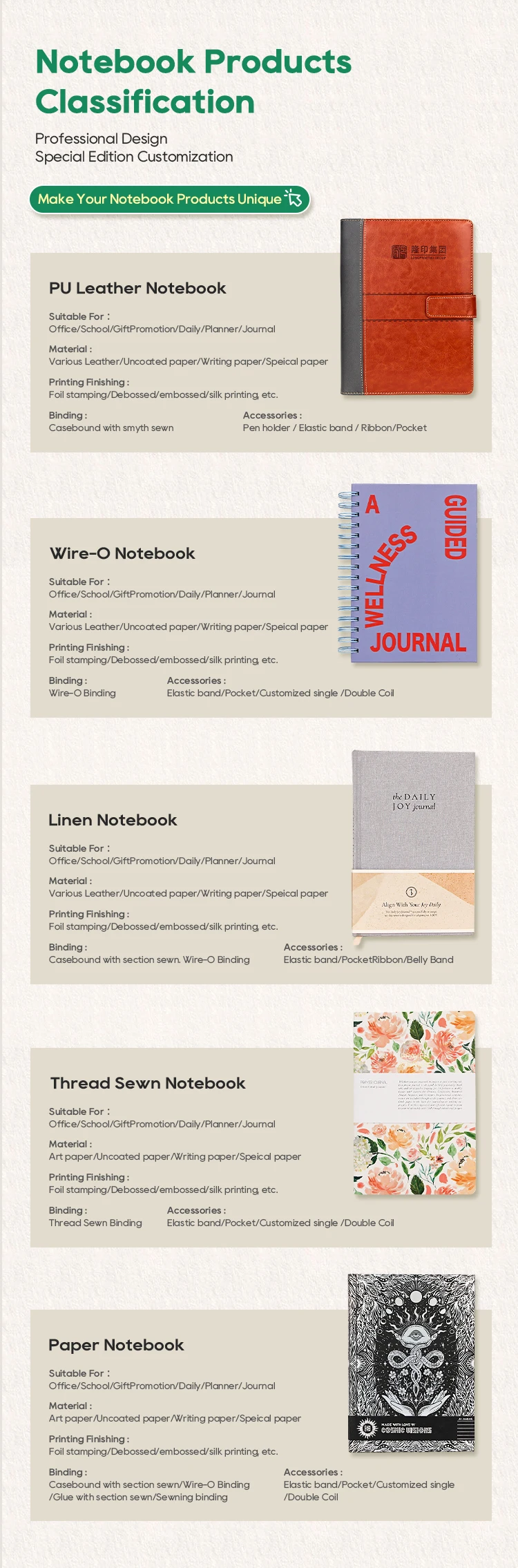
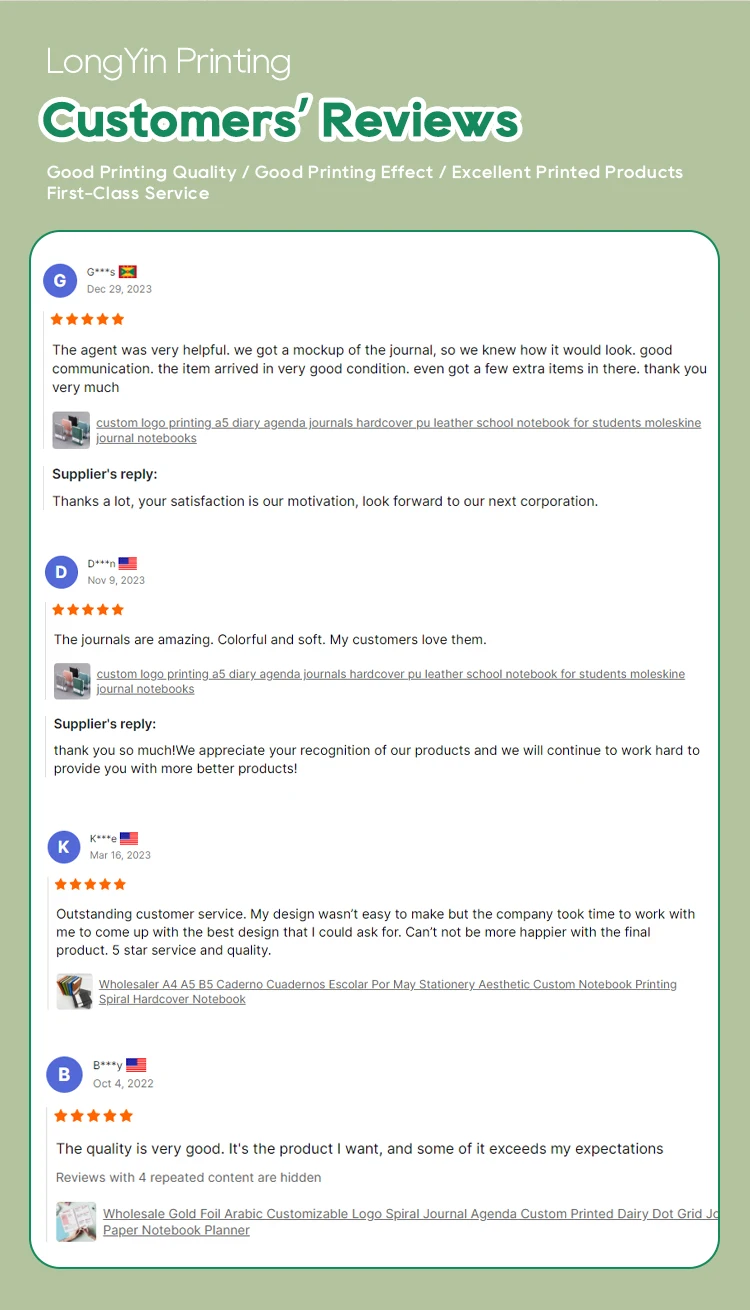
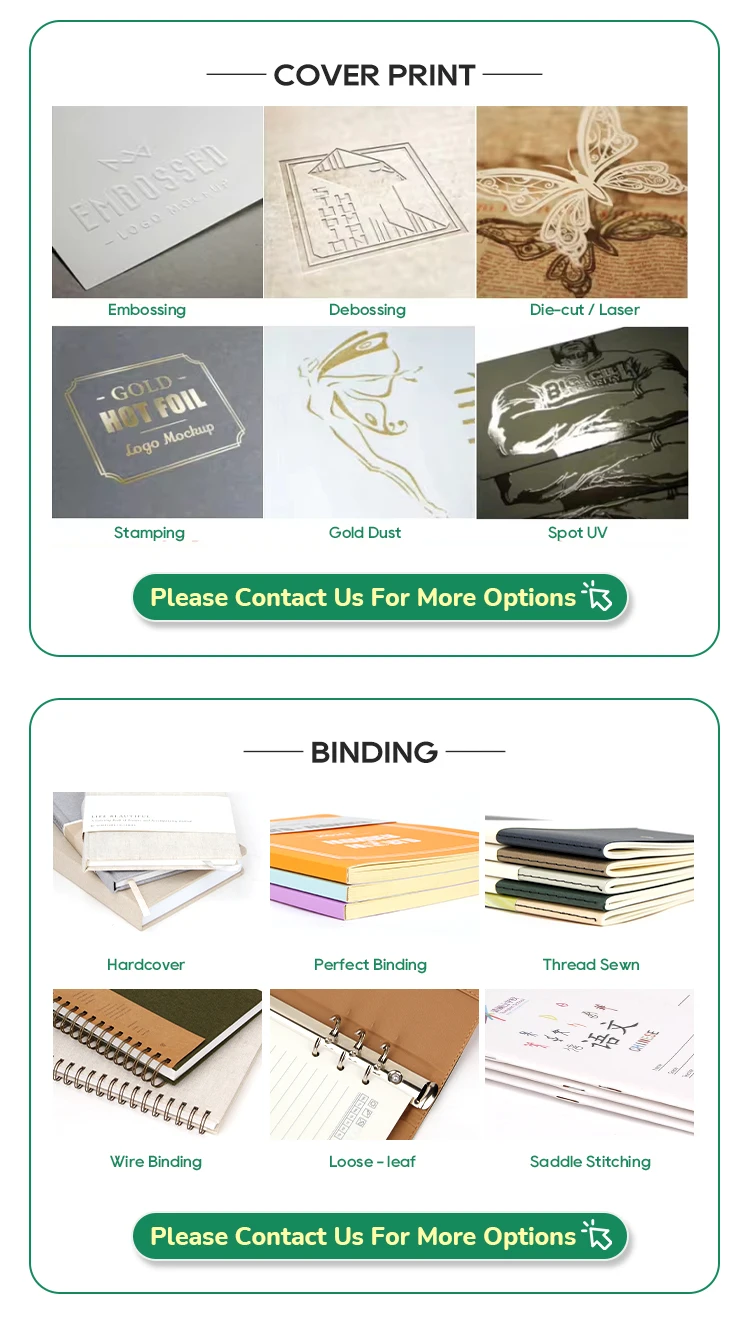
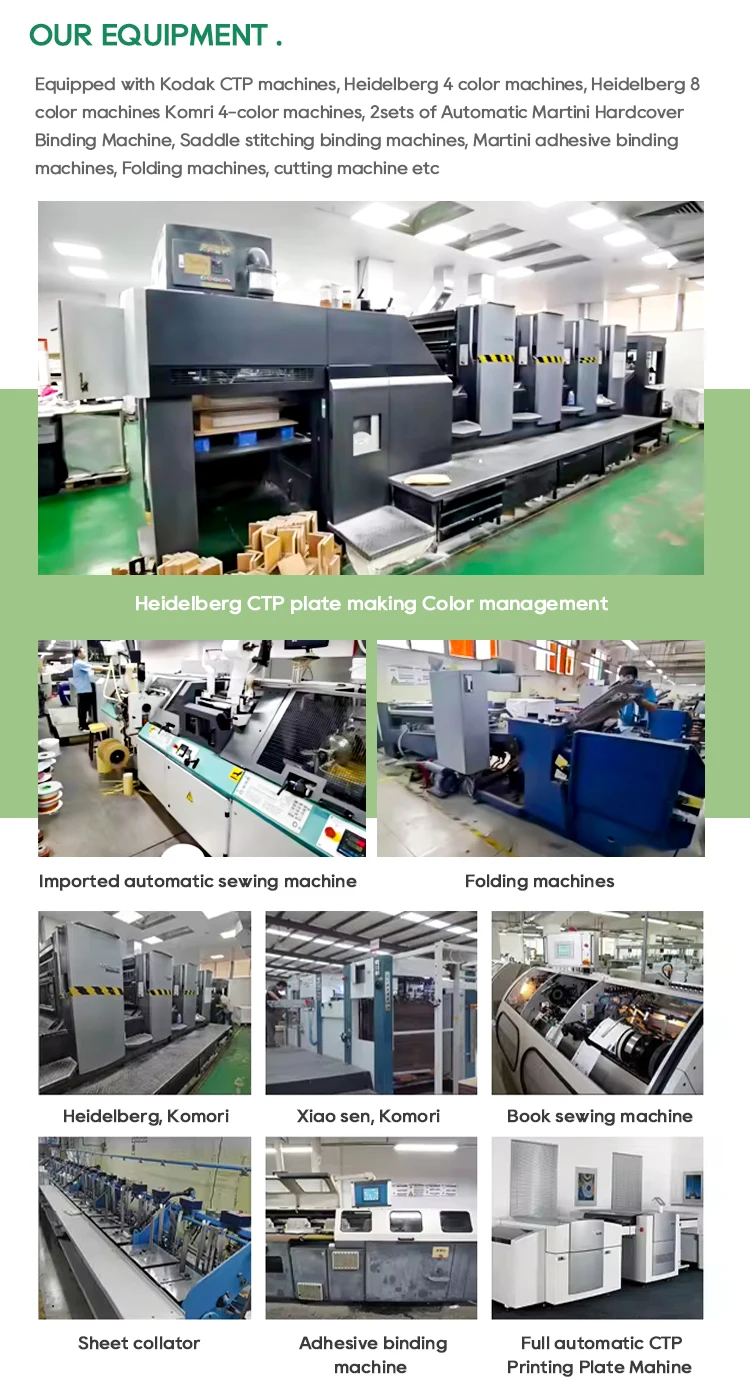
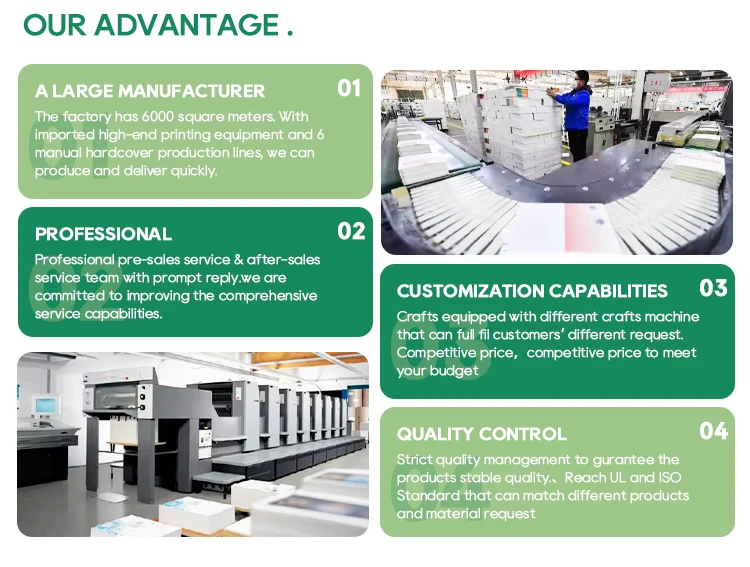
Thread sewing is a sequence, and every step affects the next. Folded sections are collated in page order, sewn through the fold with thread, then glued and lined along the spine before the cover is cased in — which is why a sewn notebook opens flat and holds together long after a glued block would start shedding pages. At Longyin Druck this work happens on our own binding lines in Shenzhen, to the buyer’s page count, paper and cover specification.
What Is Thread Sewing in Notebook Binding?
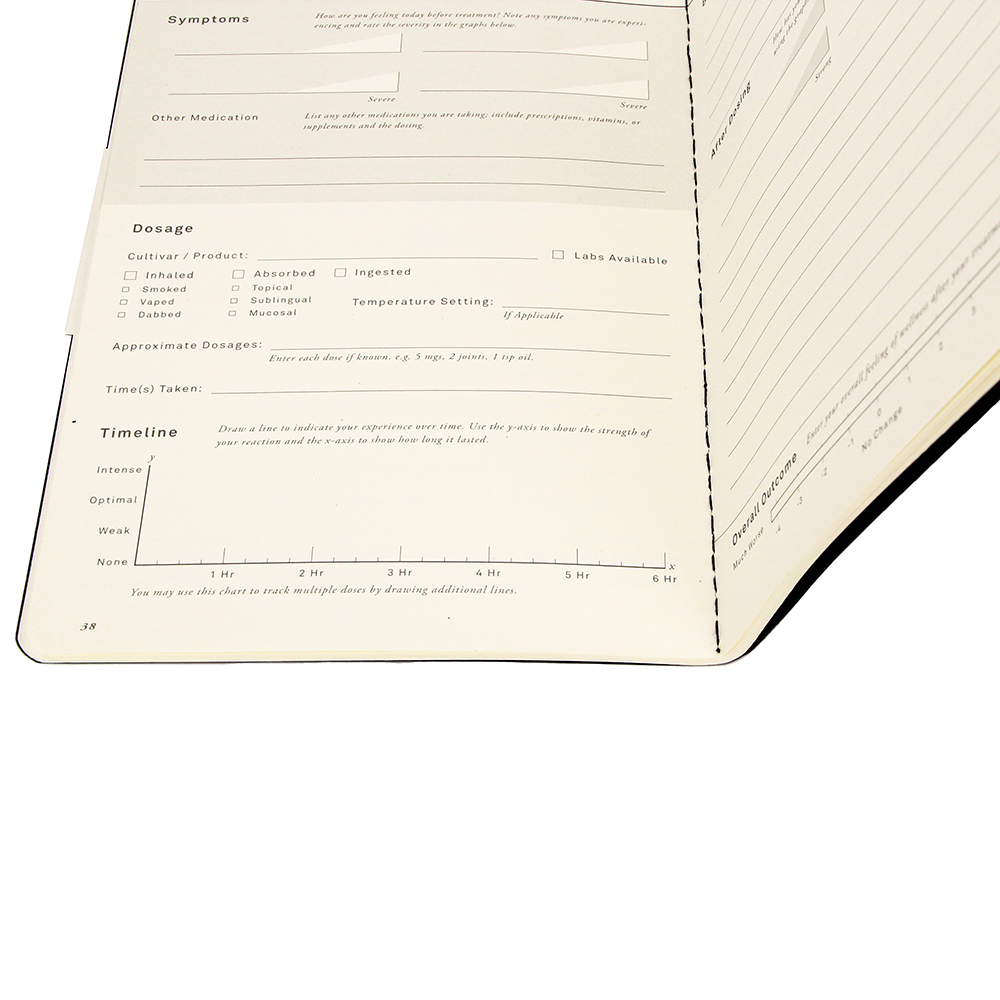
It is a binding method in which printed sheets are folded into sections and sewn through the fold, so each section is stitched to the next by thread. The thread carries the mechanical load and the adhesive only holds the sewn block to the spine lining, which is what separates thread binding for notebooks from a simply glued spine.
How Does the Thread Sewing Process Run?
The stages are fixed, and skipping or reordering them shows up in the finished book. Sections that are folded out of sequence, or sewn before collation is confirmed, cannot be corrected afterwards without unpicking the whole block.
- Printing and folding the sheets into 16 or 32 page sections
- Collating the sections in page order, checked against the imposition plan
- Sewing through each fold with cotton or polyester thread, section to section
- Gluing the sewn spine with PVA adhesive, applied after sewing, never instead of it
- Lining and backing the spine with paper or gauze to stiffen the block
- Casing in the cover, then trimming to the finished size
- Final check for page order, spine adhesion, opening behaviour and trim
Why Is a Sewn Spine More Durable Than a Glued One?
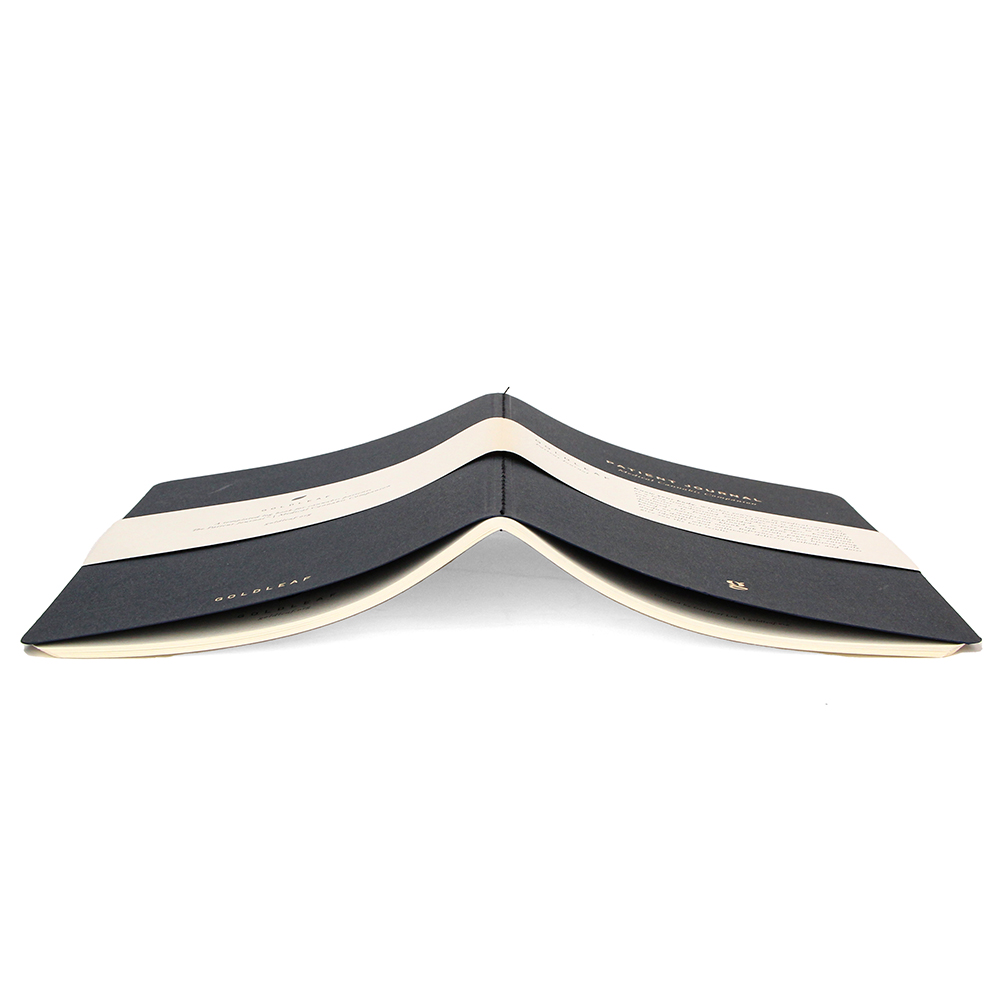
The load path is different. In a glued spine every page is held only by adhesive at its edge, so repeated opening concentrates force on the same glue line; in a sewn spine the thread passes through each section, spreading that force along the fold. That is why sewn notebooks survive being folded back on themselves daily, and why they lie flatter at the centre spread.
Which Section Size Should Each Folded Section Use?
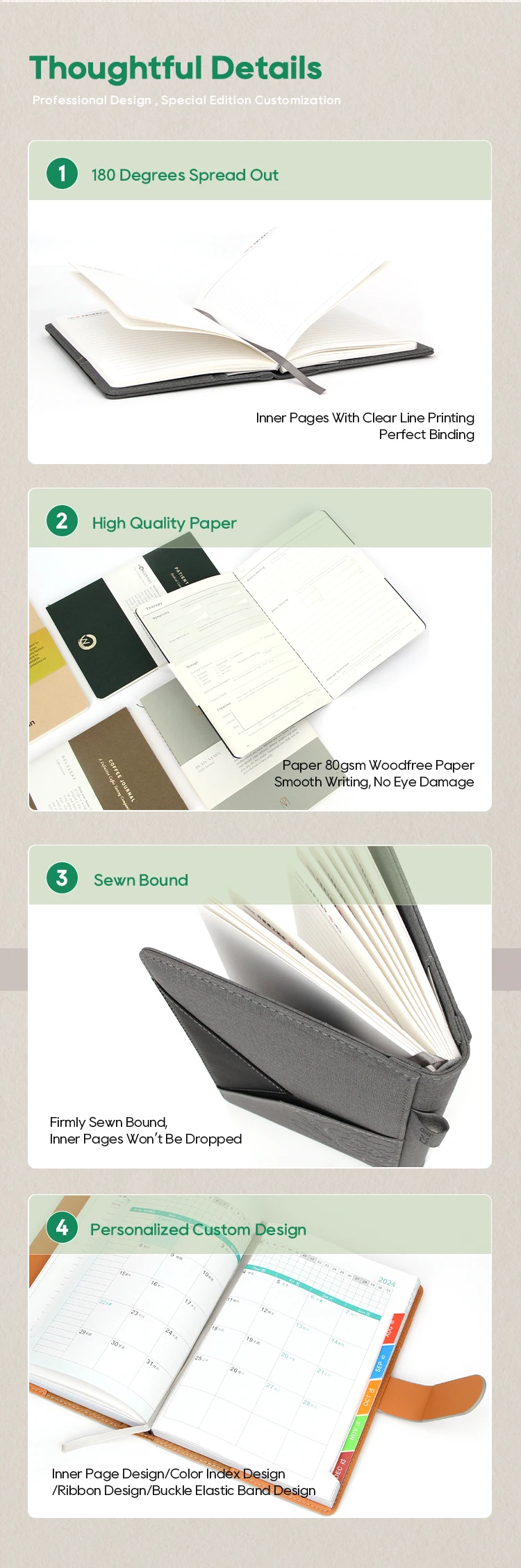
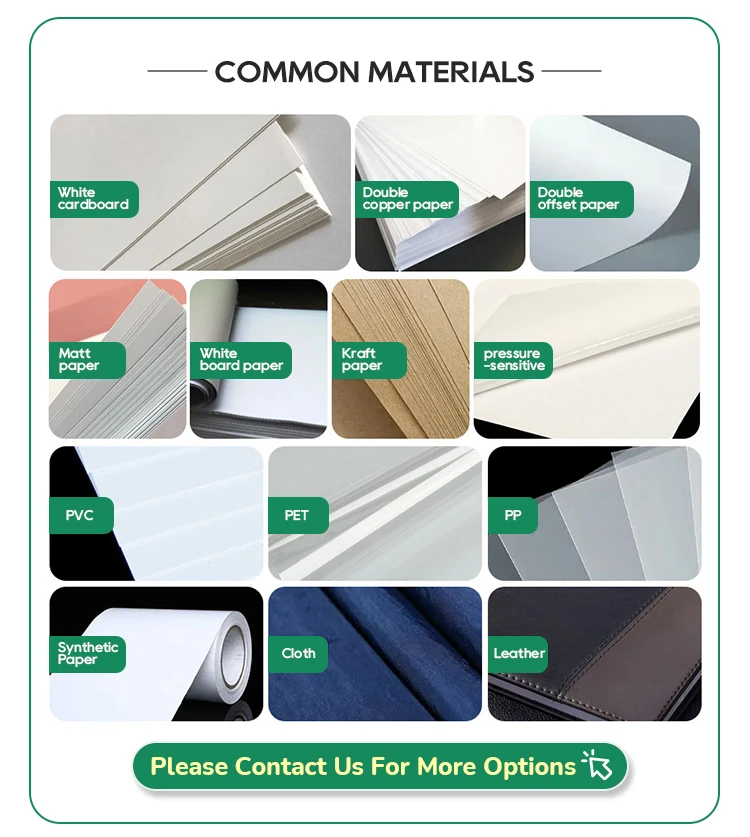
Section size is chosen by paper thickness, not by convenience. Thicker paper needs fewer pages per section, because a thick sheet folded into a large section cracks along the fold, while thin paper can carry 32 pages comfortably. Typical builds are 16 pages per section for heavier writing paper and 32 pages for thinner stock, and the page count is always a multiple of four so no section ends short.
How Is Page Order Checked After Sewing?
This is the defect that sewing introduces first. A section collated out of order produces a block with correct-looking pages that read in the wrong sequence, so collation is verified before sewing and the finished book is opened section by section afterwards. Spine adhesion, thread tension and trim are checked in the same pass, because a loose section in the middle of a 200-page notebook is only found by opening it.
Which Notebooks Should Be Thread Sewn?
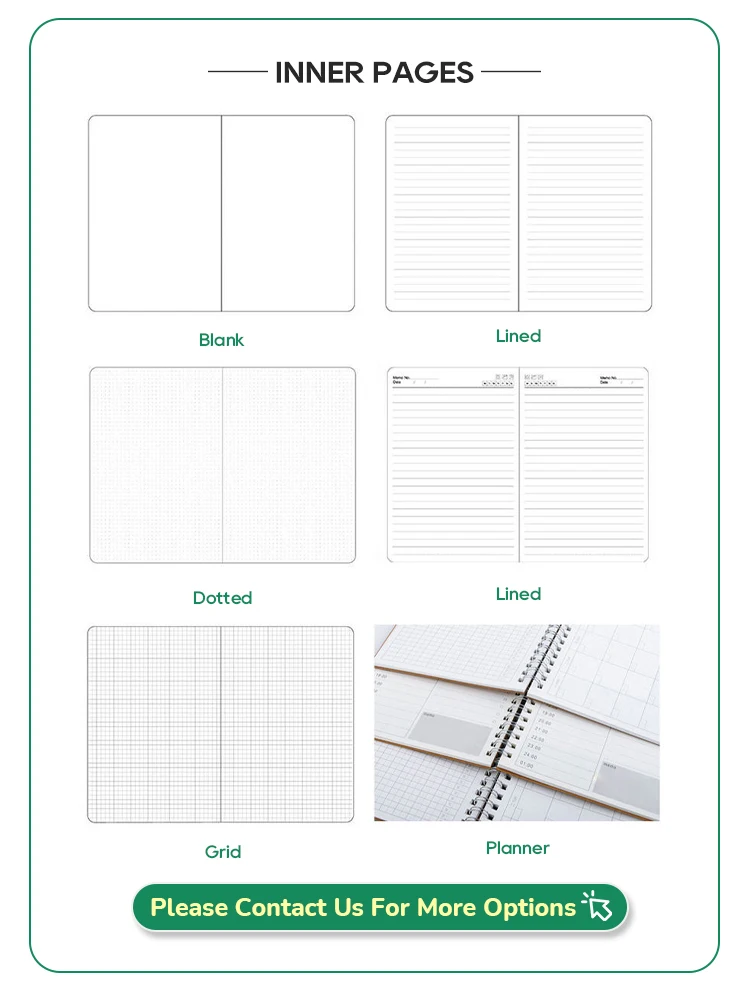
Sewing earns its place as the book gets thicker and is used harder. Thin notebooks are stapled, and sewing becomes the right answer once a notebook is carried daily or needs to stay open on a desk — planner, journal and business notebooks above roughly 60 pages benefit most. Where a notebook is intended to last, the durability of the sewn block is the reason to specify it rather than a glued spine.
How Long Does Production and Shipping Take?
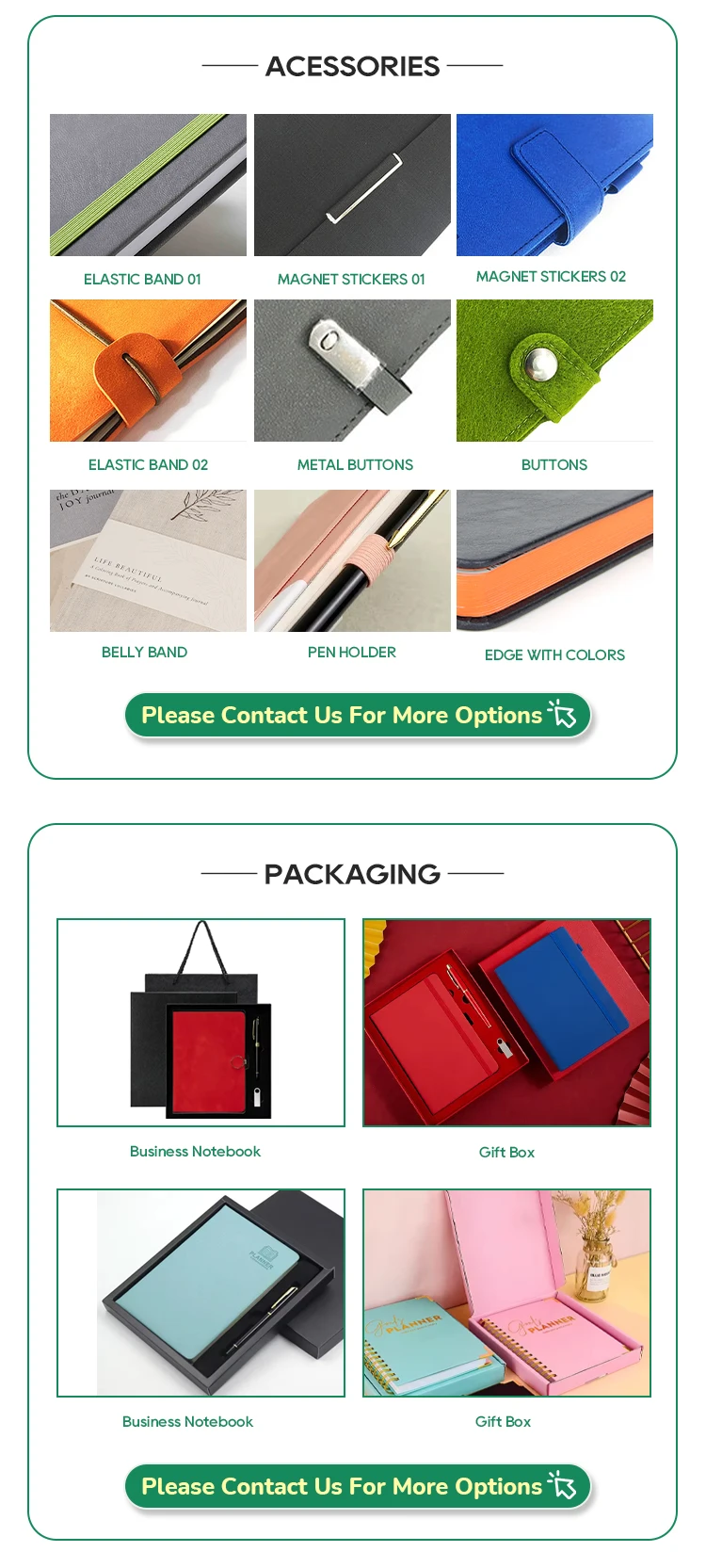
Production runs about 8-10 days for softcover notebooks and 10-15 days for hardcover notebooks, counted from file confirmation, with samples in about 5-7 days after your files are approved. Air freight takes 5-7 days, and sea freight about 1 month on common routes. Delivery dates can be coordinated with your schedule, and the wider range of binding options is grouped in our notebook printing category.
What Should You Send for a Quote?
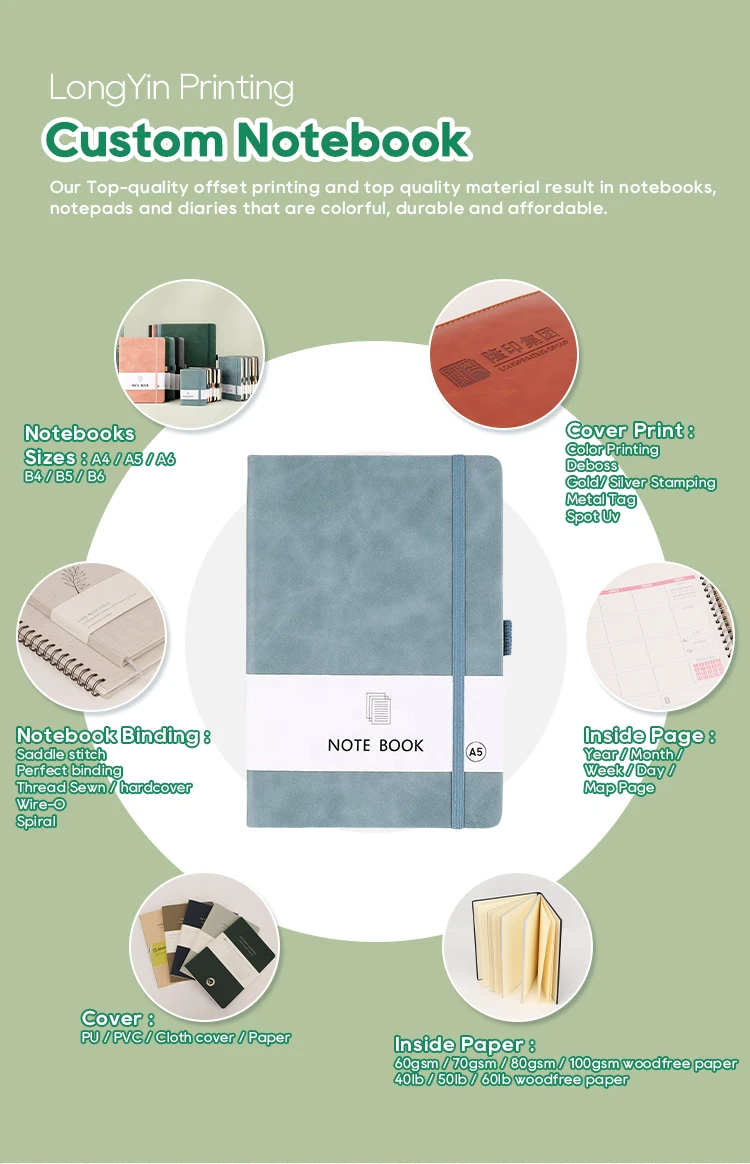
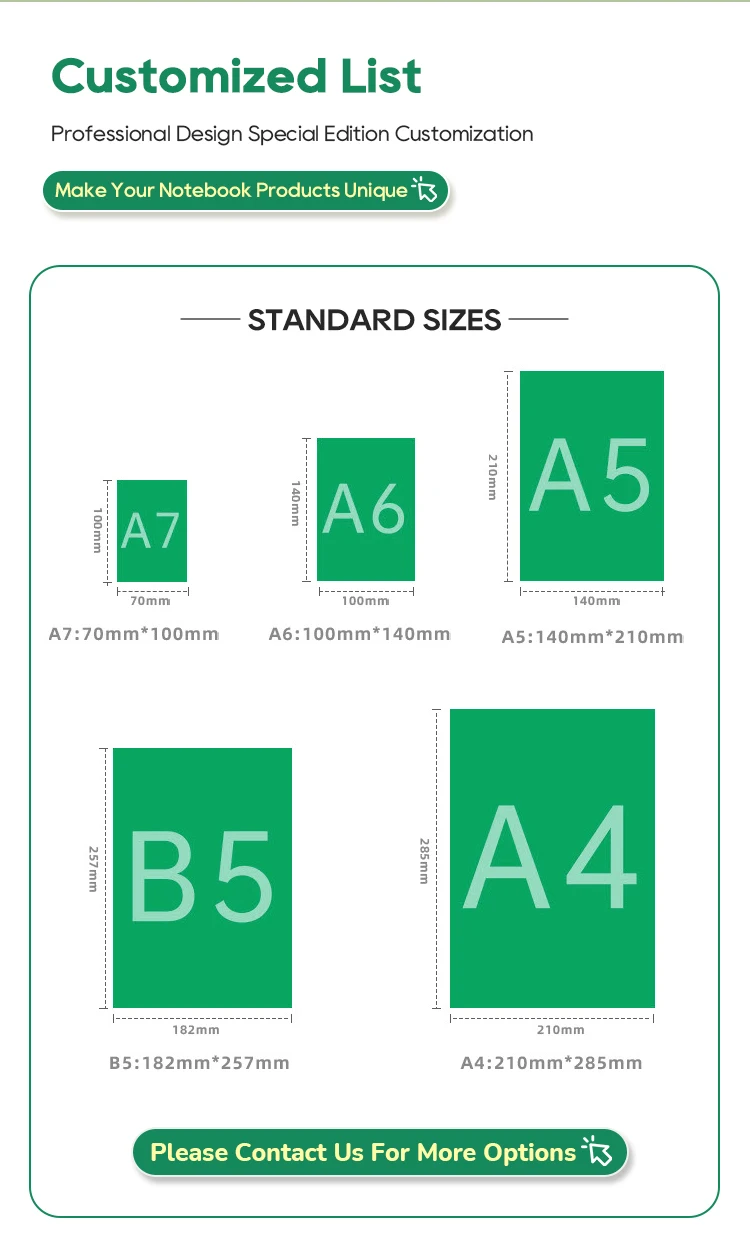
Send the trim size, sheets per notebook with the page count confirmed, the paper weight, the binding method, cover material and finishing, quantity, and destination. Stating the paper weight with the page count lets us confirm the section size before anything is printed, since a paper too thick for the planned section will crack at the fold however good the artwork is. Quotes are issued within 24 hours.
Technical Specifications
See the full notebook printing category for related notebook and stationery formats.
Key Takeaways
- The thread sewing binding process folds sheets into sections, collates them, sews through each fold, then glues and lines the spine.
- Thread carries the mechanical load in a sewn spine; adhesive only bonds the block to the spine lining.
- Section size follows paper thickness — thicker paper needs fewer pages per section to avoid cracking at the fold.
- Collation is checked before sewing, because a section out of order cannot be corrected afterwards.
- Thread binding for notebooks suits books of about 60 pages and above that are carried daily or opened flat.
- Production is about 8-10 days for softcover and 10-15 days for hardcover notebooks, plus air or sea shipping.
Frequently Asked Questions (FAQ)
Q: What is the difference between sewn and glued binding?
A: In a glued spine each page is held only by adhesive at its edge. In a sewn spine thread passes through every section, so the load spreads along the folds and the block opens flatter and survives repeated folding.
Q: How many pages go in each section?
A: Sixteen or thirty-two, chosen by paper thickness. Thicker writing paper needs fewer pages per section because a thick sheet cracks when folded into a large section. The page count stays a multiple of four so no section ends short.
Q: How is page order guaranteed?
A: Collation is verified against the imposition plan before sewing, and the finished book is opened section by section afterwards. A section collated out of order looks correct on the surface but reads in the wrong sequence, so it is checked twice.
Q: Is thread sewing worth it for a thinner notebook?
A: Sewing earns its place as the book gets thicker and is used harder. Thin notebooks are usually stapled, while daily-use notebooks of about 60 pages and above benefit most from the durability and flat opening of a sewn spine.
Q: How long does production and delivery take?
A: Production is about 8-10 days for softcover notebooks and 10-15 days for hardcover notebooks, counted from file confirmation, with samples in about 5-7 days. Air freight takes 5-7 days, sea freight about 1 month on common routes.
Q: What if there is a quality issue?
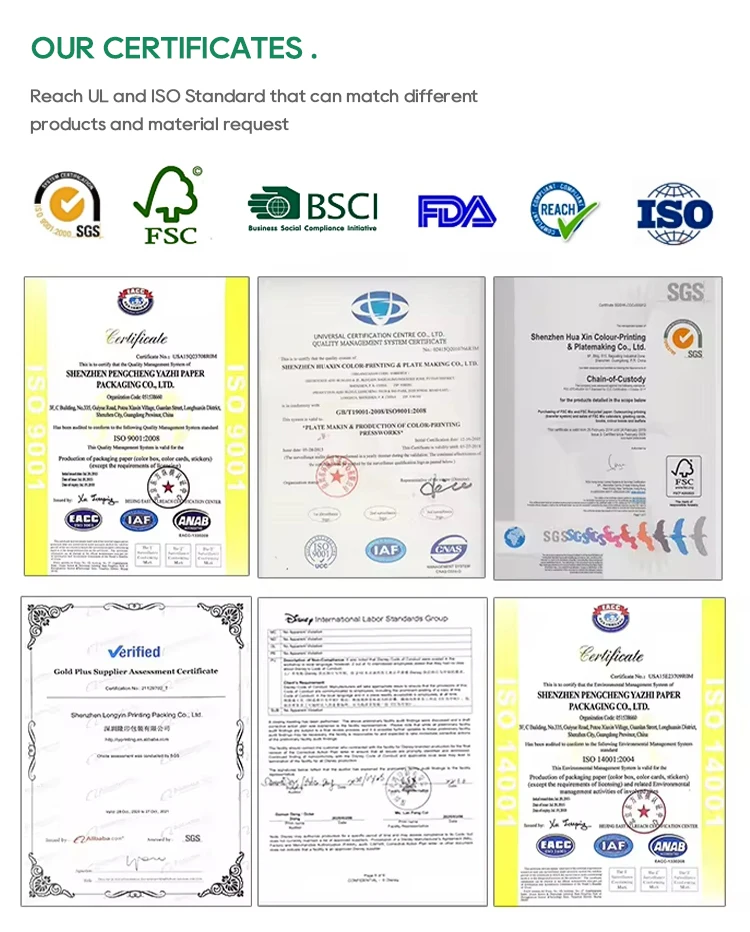
A: Quality is checked at every stage of production. If a quality issue is confirmed, we reprint free of charge or refund, and after-sales is covered.
Click Here To Get a Custom Quote Today!