Premium Notebook Printing — Paper, Binding and Finishing as One Decision
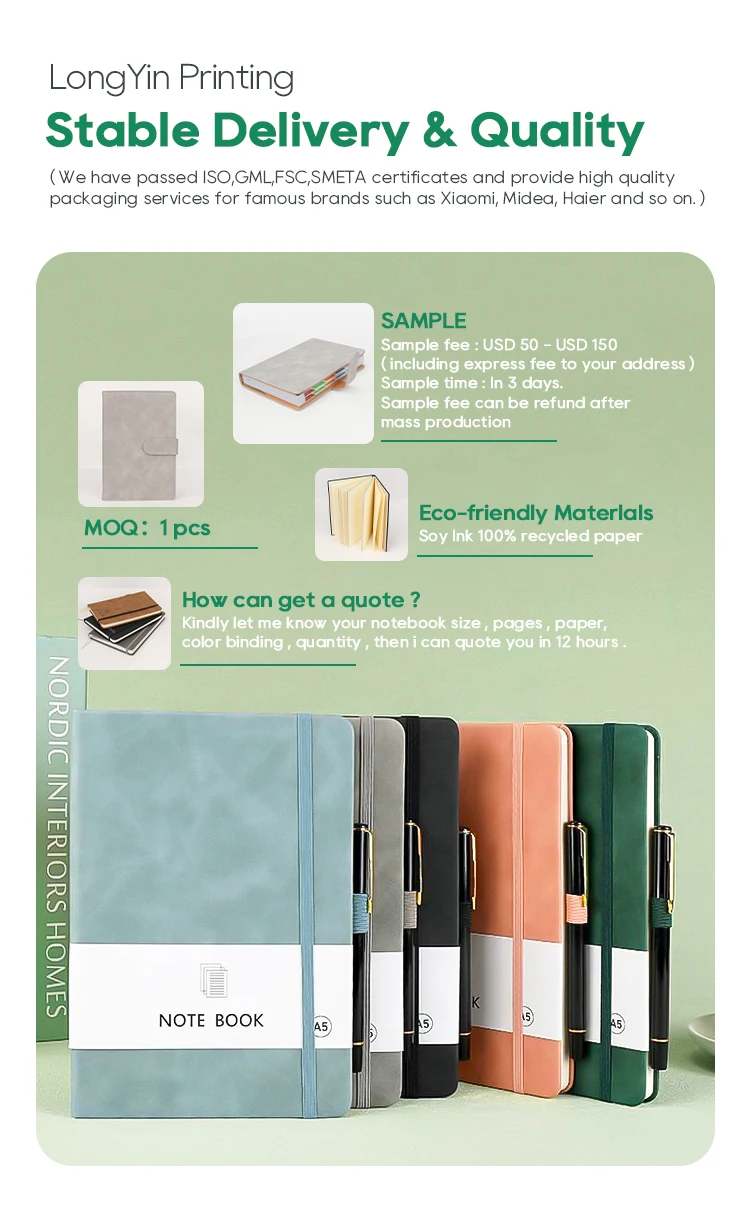
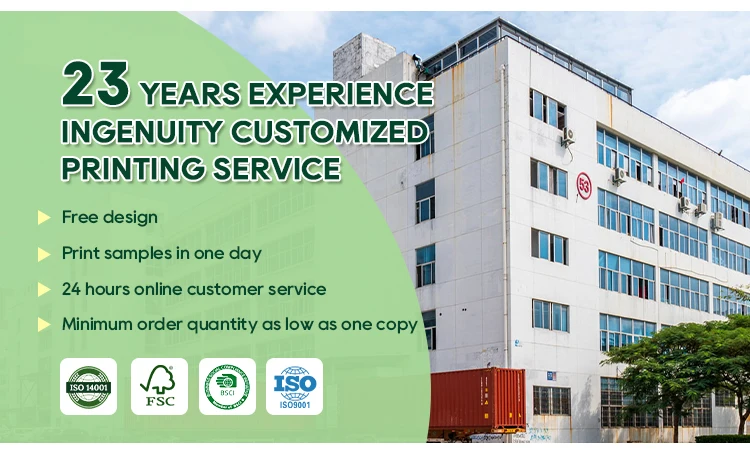
Premium is not a single upgrade, it is a combination that has to hold together. A premium notebook printing brief is settled by three linked choices – the paper, the way the pages are held, and the finishing – because changing the paper changes the bulk of the book, which changes the spine and the cover. At Longyin Printing all three are handled in our own Shenzhen factory, so the block, the case and the finishing are one schedule rather than three suppliers.
Send your specs and get a custom quote.
What Makes a Notebook Read as Premium?
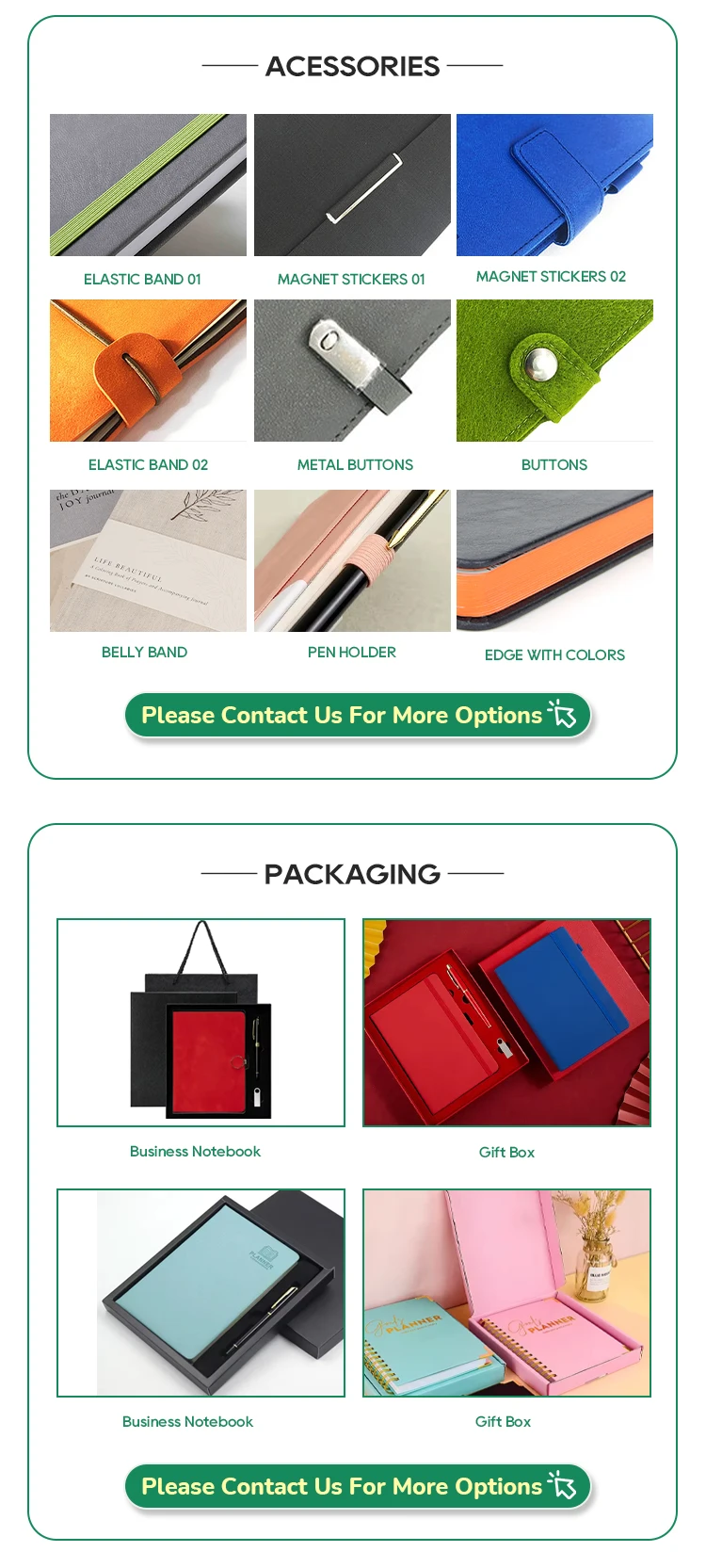
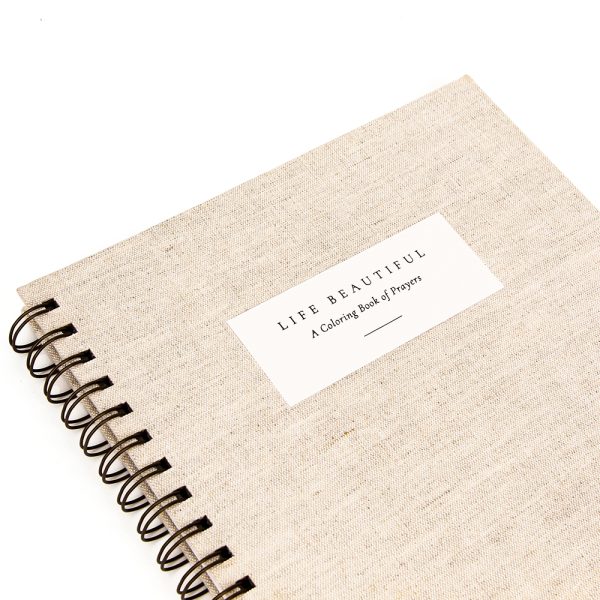
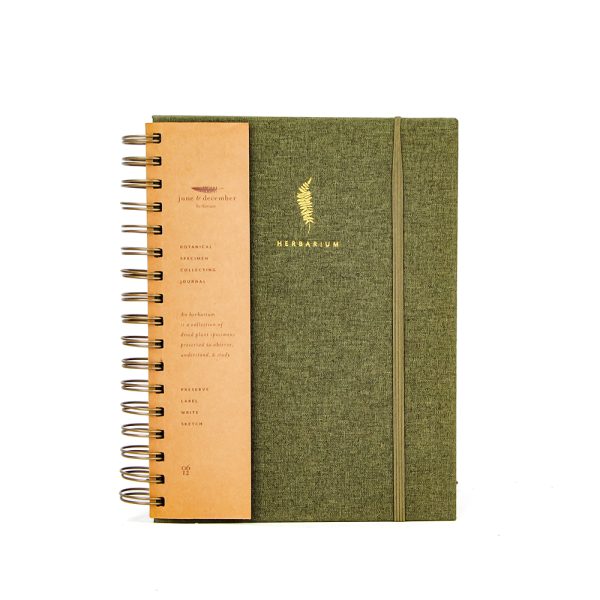
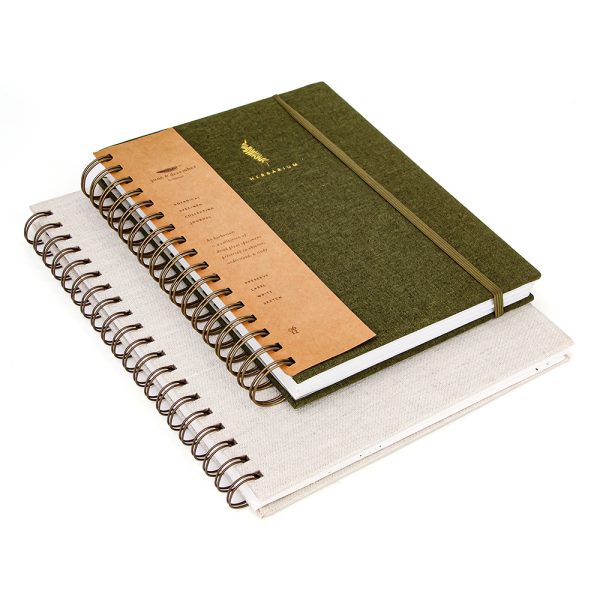
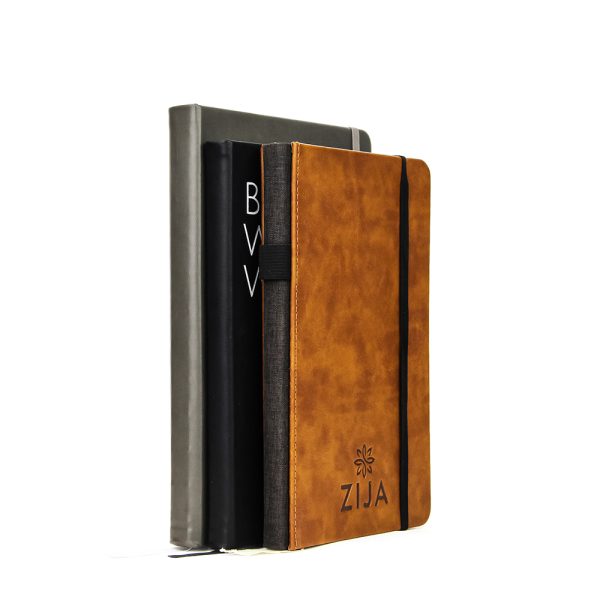
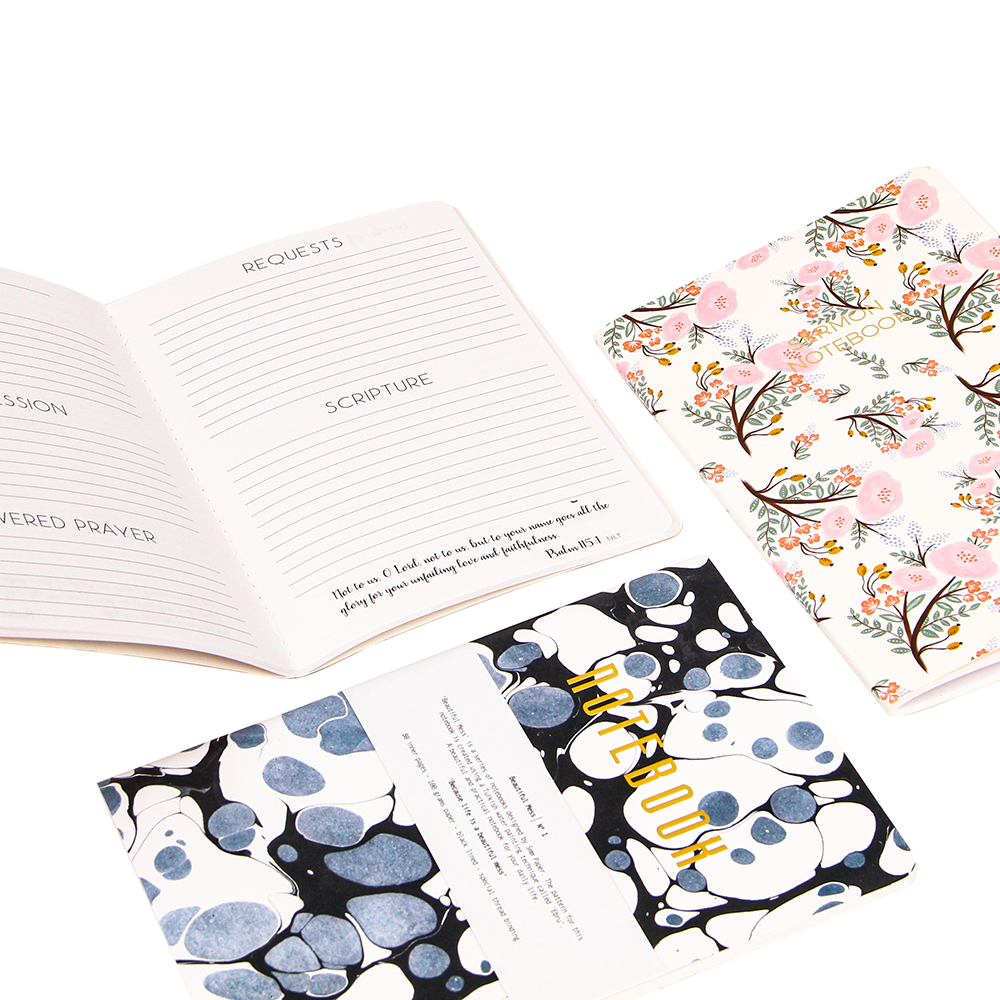
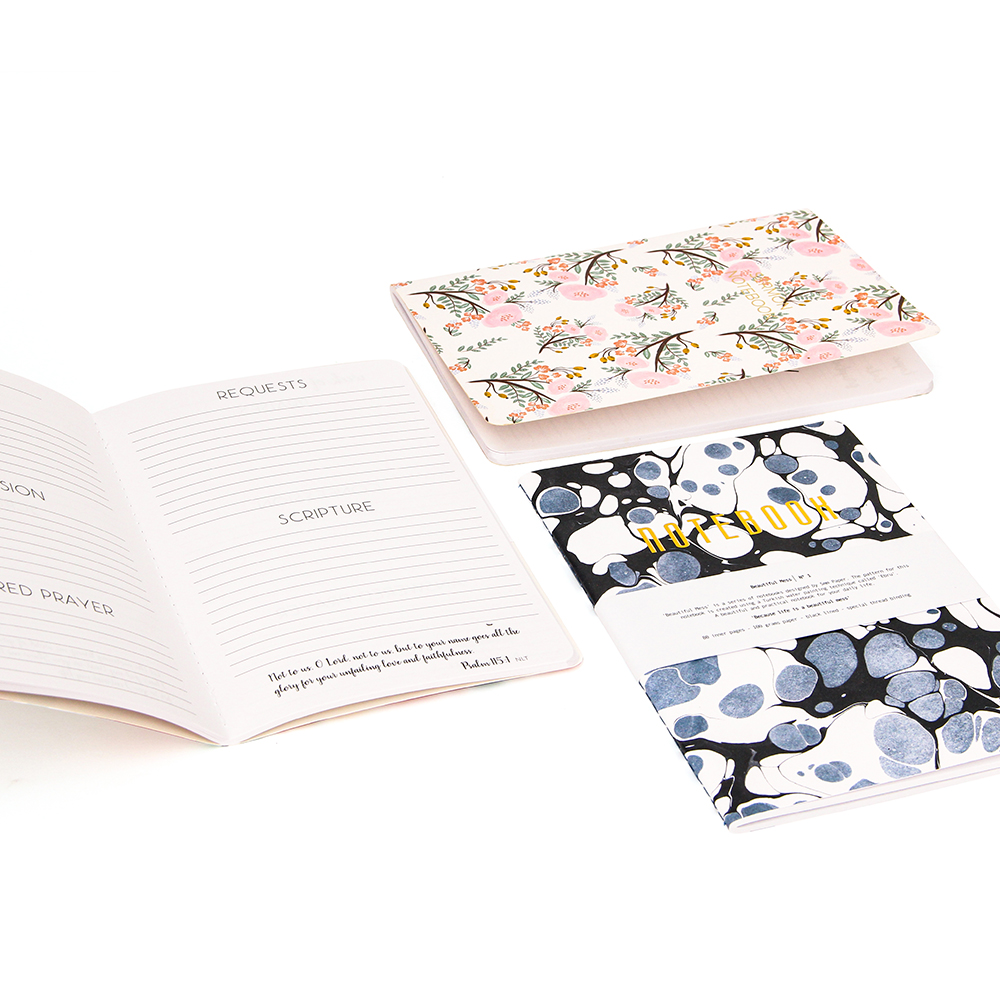
A notebook reads as premium through the combination of a heavy uncoated paper with a soft hand, a block that opens wide without cracking, a hard case with headbands and a ribbon, and finishing that stays restrained. Any one of those alone is a feature. Together they are what a reader notices before reading a single line.
Which Paper Weight Suits a Premium Notebook?
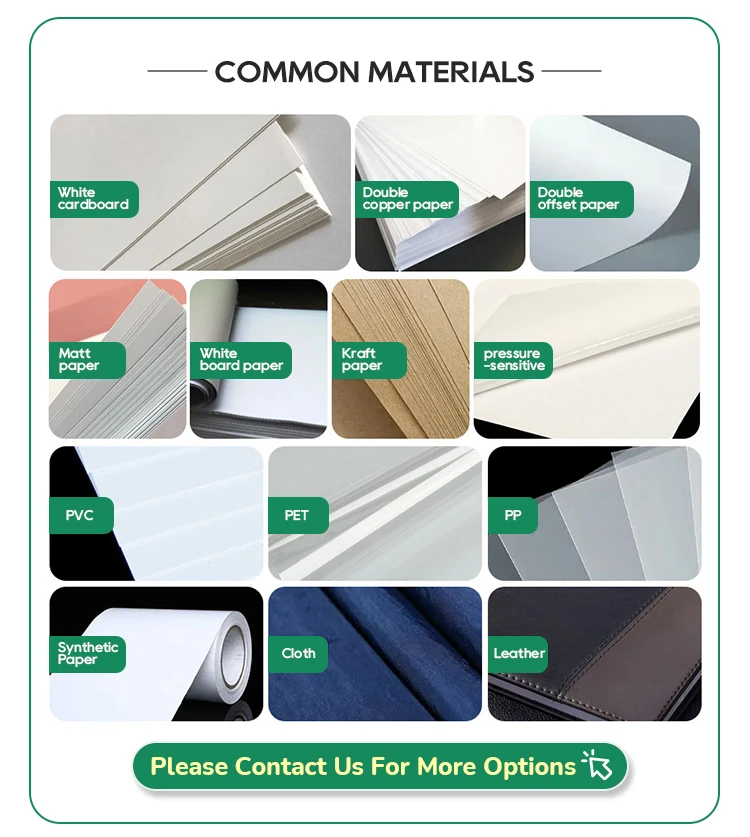
100-120 gsm cream or ivory uncoated writing paper is the usual choice, because it carries the hand feel and the warmth that premium notebooks are recognized by. A luxury notebook printing brief therefore starts from the paper rather than from the cover, since thicker paper adds bulk to the block and the spine width follows it. Uncoated stock also takes handwriting the way a premium notebook is expected to, which is why heavily coated pages are rarely used for writing books.
Why Is Thread Sewn Binding Used at This Level?
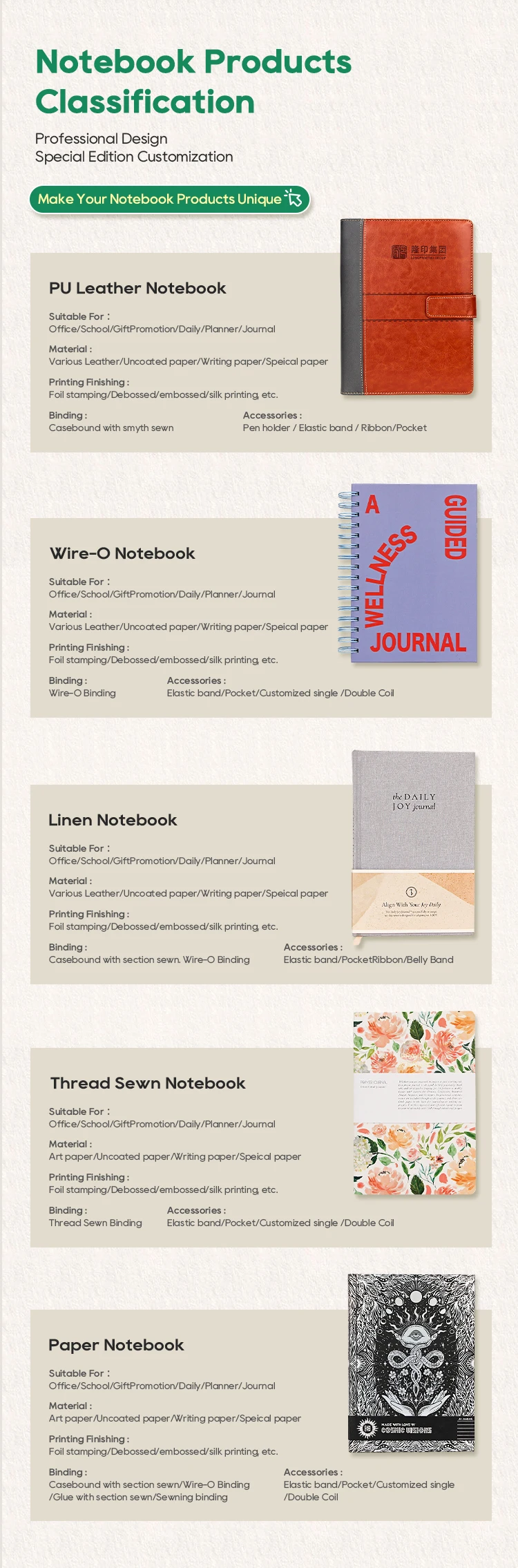
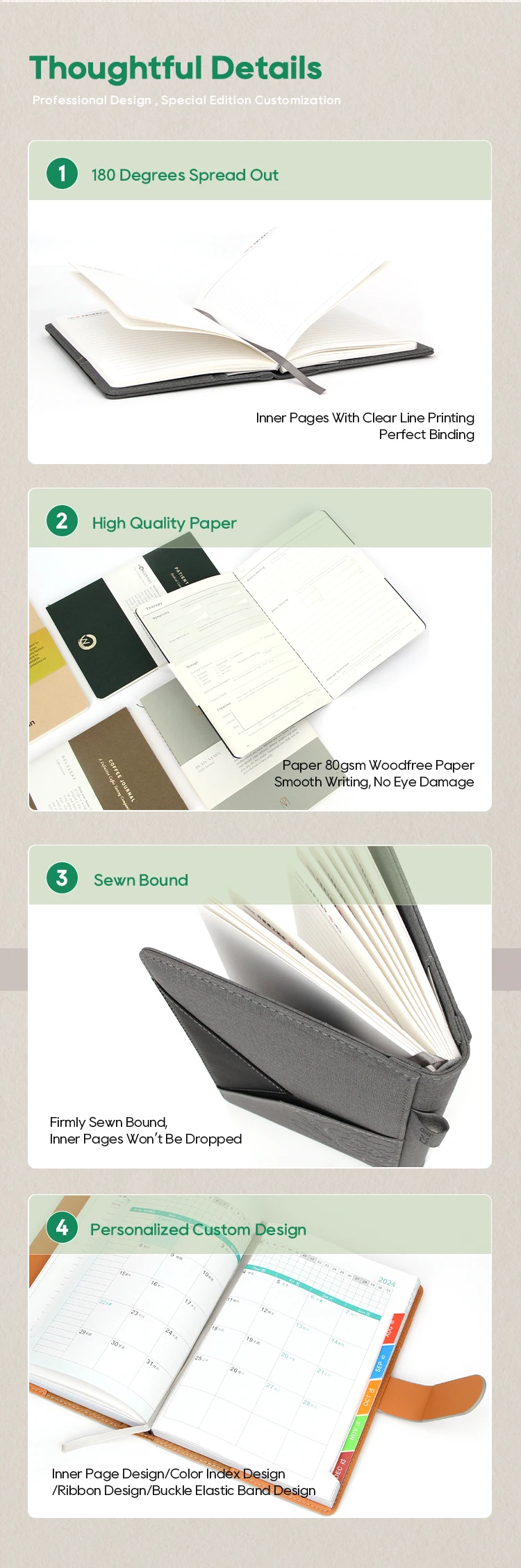
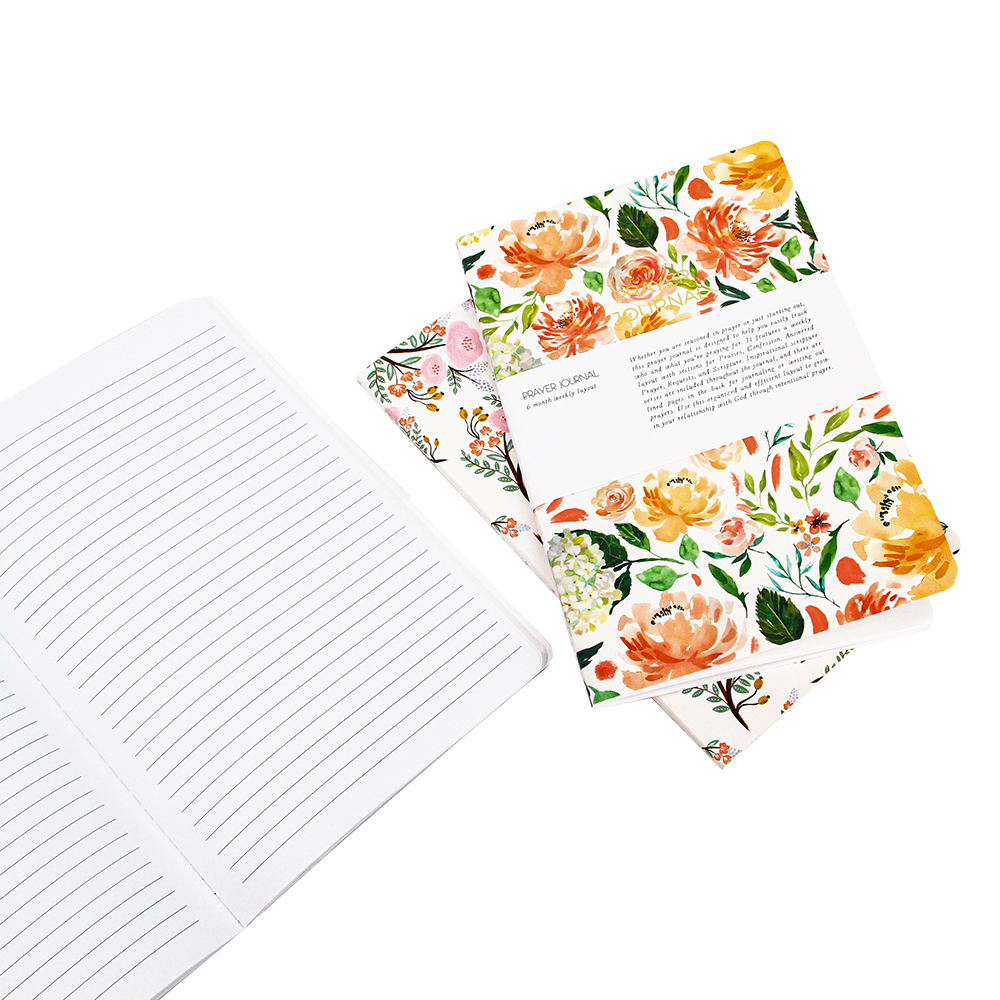
Thread sewn sections hold heavy paper, open wide without the block cracking and keep every page attached, which is where a thick adhesive-bound block starts to fail. High end notebook printing is decided here rather than at the cover, because the block is what the reader handles every day. Thicker paper is also folded in smaller sections, since folding a heavy sheet into a large section cracks the spine of the fold.
Which Craft Combinations Read Premium?
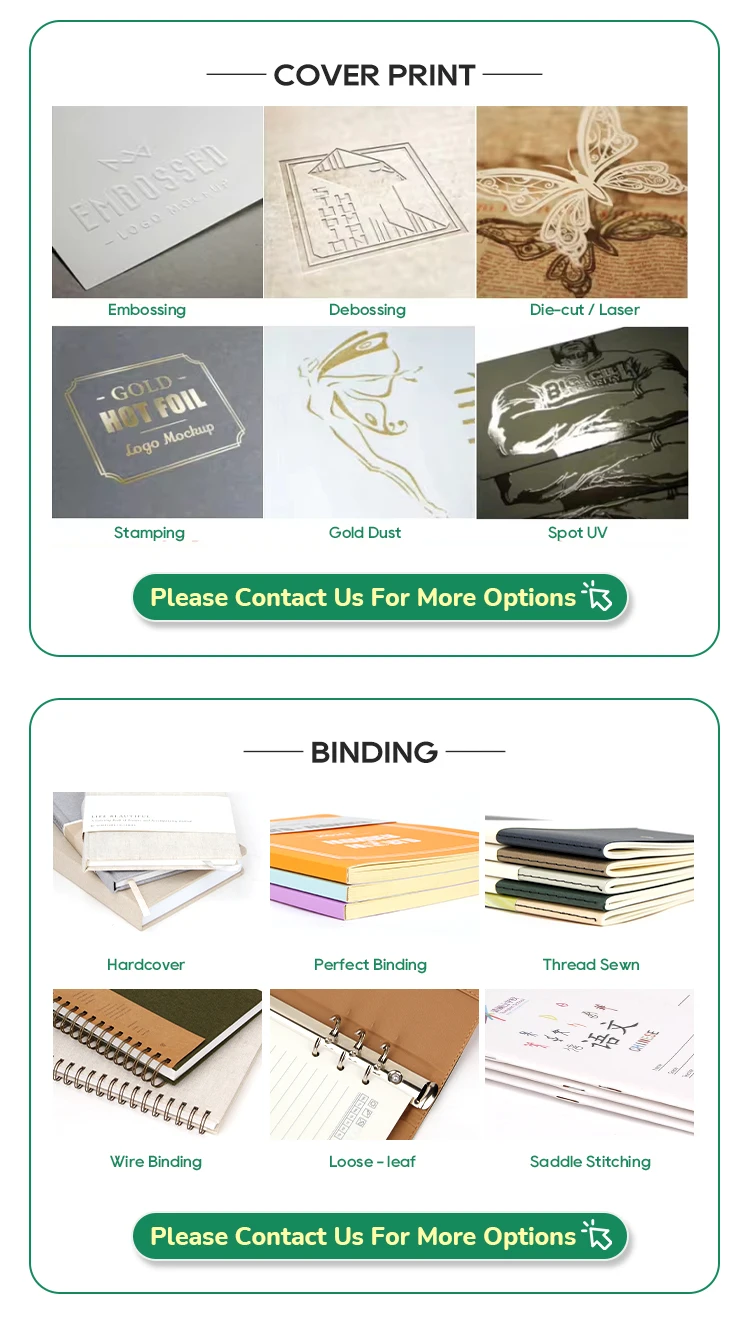
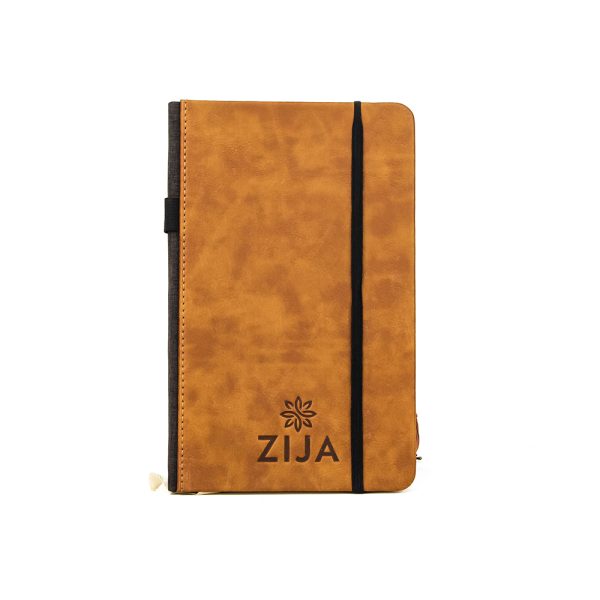
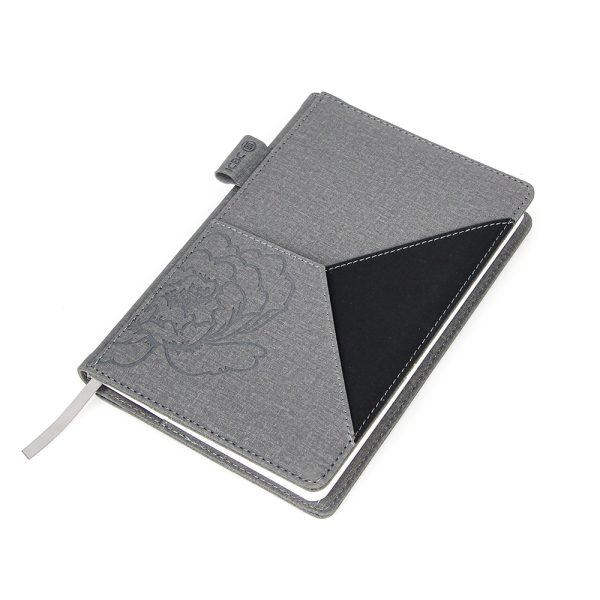
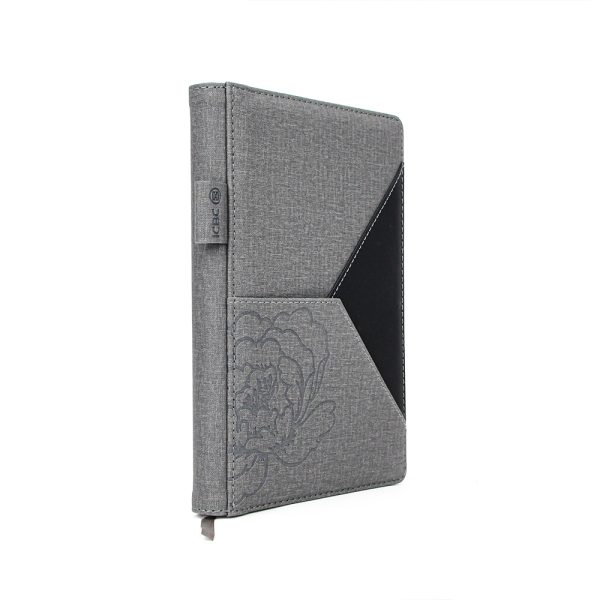
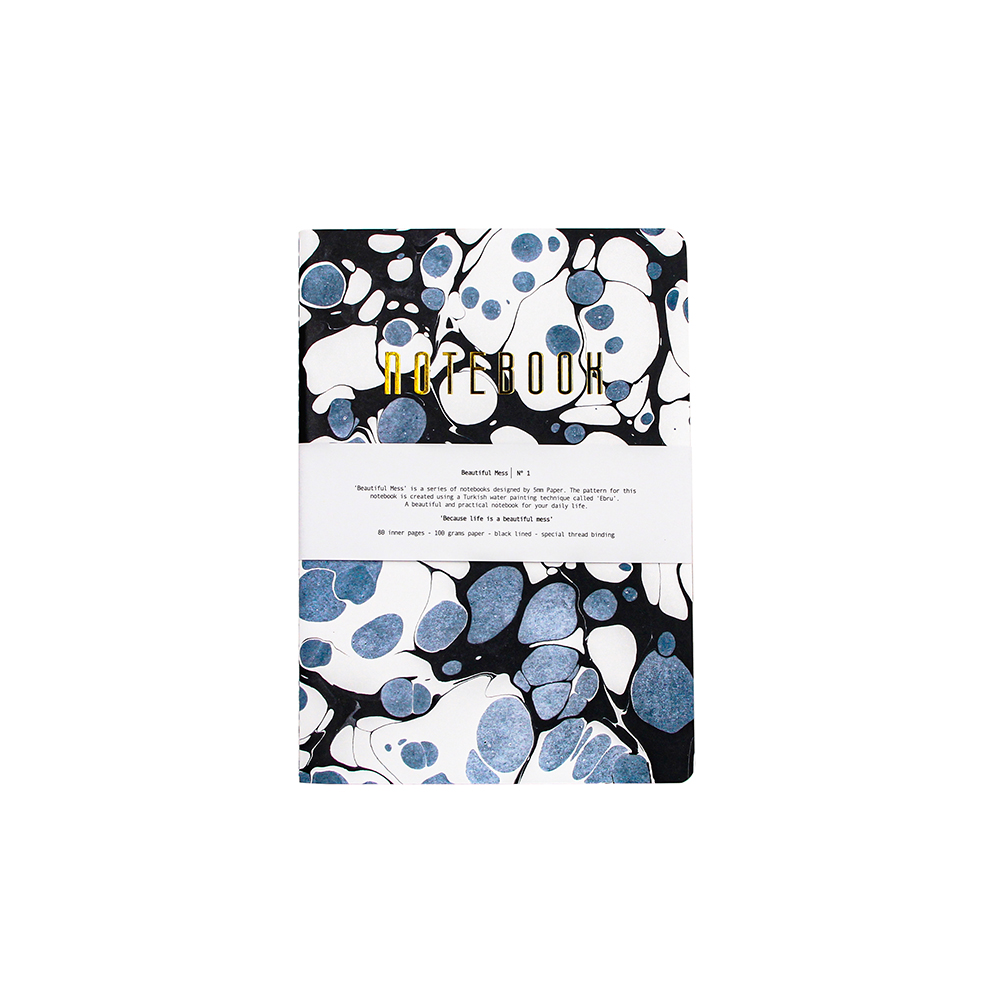
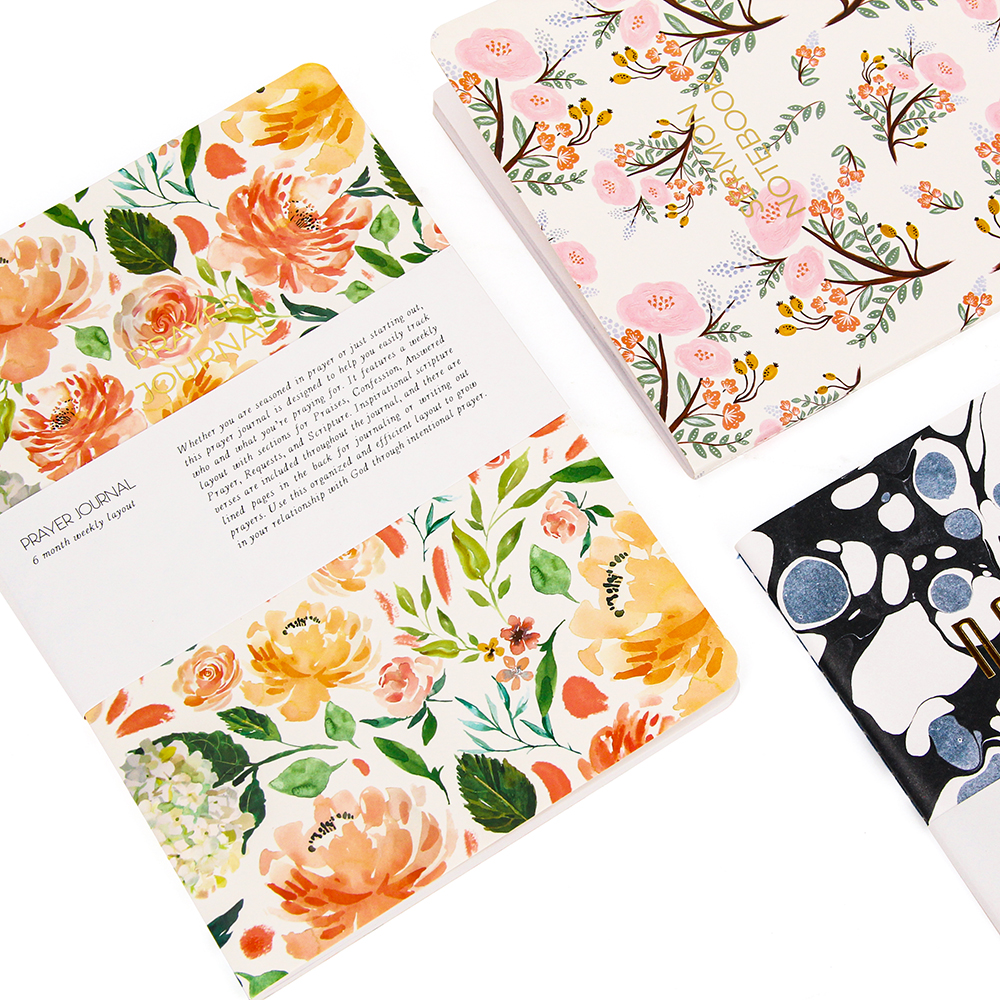
The combinations that read premium are the quiet ones: a blind deboss, foil kept to a spine or a single mark, and a soft-touch matt cover with a small spot UV detail. Each element adds a production pass, so the combination is planned around how the passes interact rather than around how many of them there are.
In What Order Are the Finishing Steps Run?
Printing comes first, then lamination, then foil, deboss, emboss and spot UV, and only then the case is made and the block is cased in with the headbands and the ribbon. The order is fixed by the material rather than by preference: foil bonds to a laminated surface, spot UV sits on top of the laminate, and an emboss needs clearance from the foil so the two do not collide.
How Is Premium Quality Checked?
Colour is proofed on the final paper rather than on a white stock, because cream paper warms the printed tone and a proof on white will not predict it. The signed sample then travels with the job: foil registration, deboss depth, headband and ribbon placement and an opening test on the sewn block are all checked against it before the cartons are sealed.
How Long Does a Premium Order Take?
Production runs about 8-10 days for softcover notebooks and 10-15 days for hardcover notebooks, counted from file confirmation, with samples made in about 5-7 days. Air freight takes 5-7 days and sea freight about 1 month on common routes. Foil blocks and emboss dies are made once per design, so the tooling cost is spread across the whole order rather than repeated.
What Should You Send for a Quote?
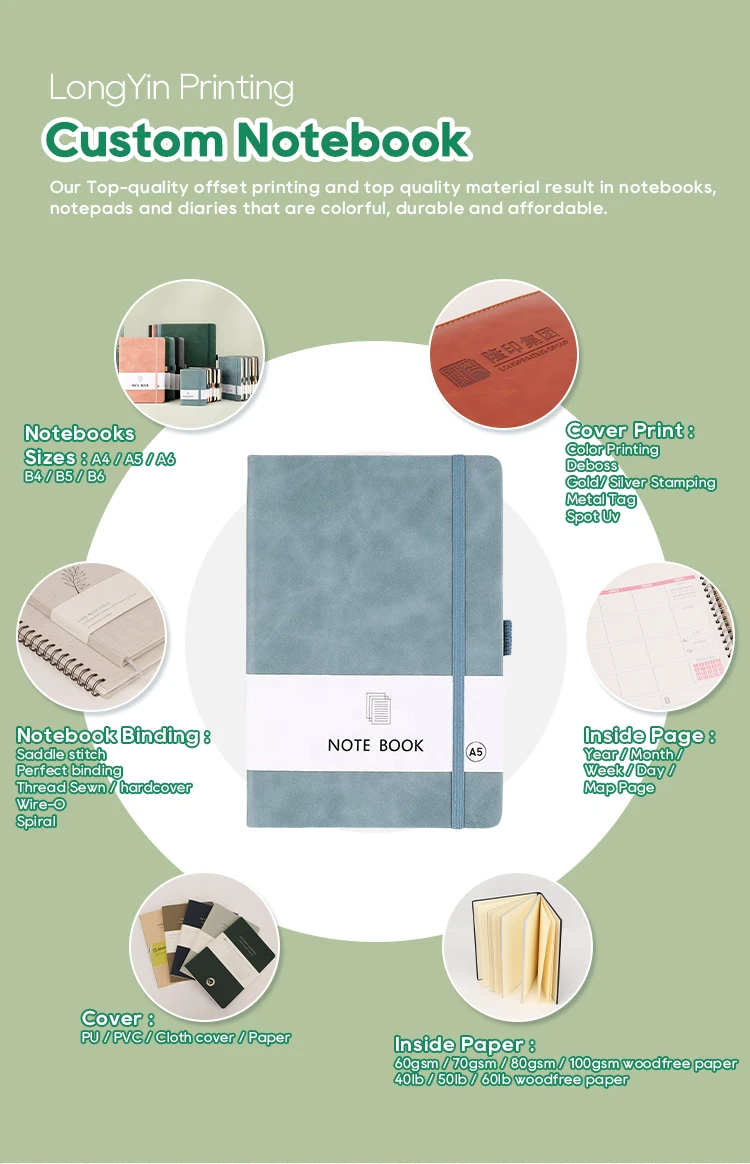
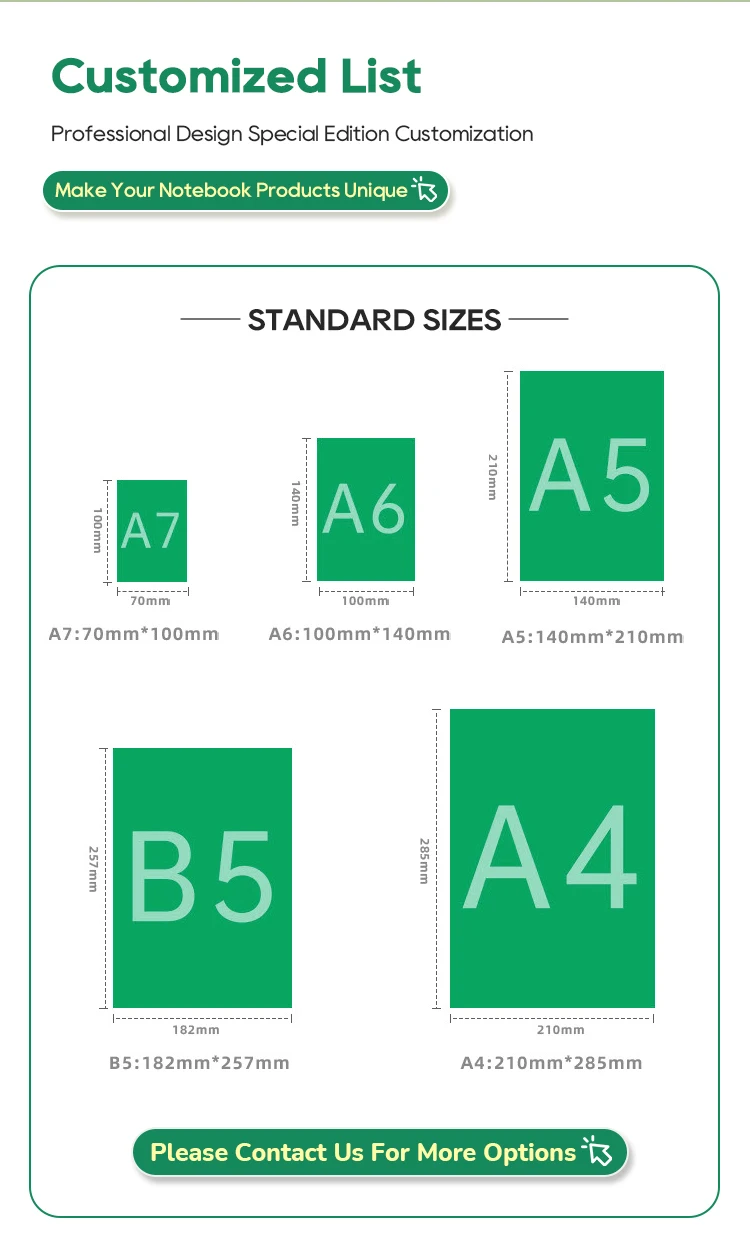
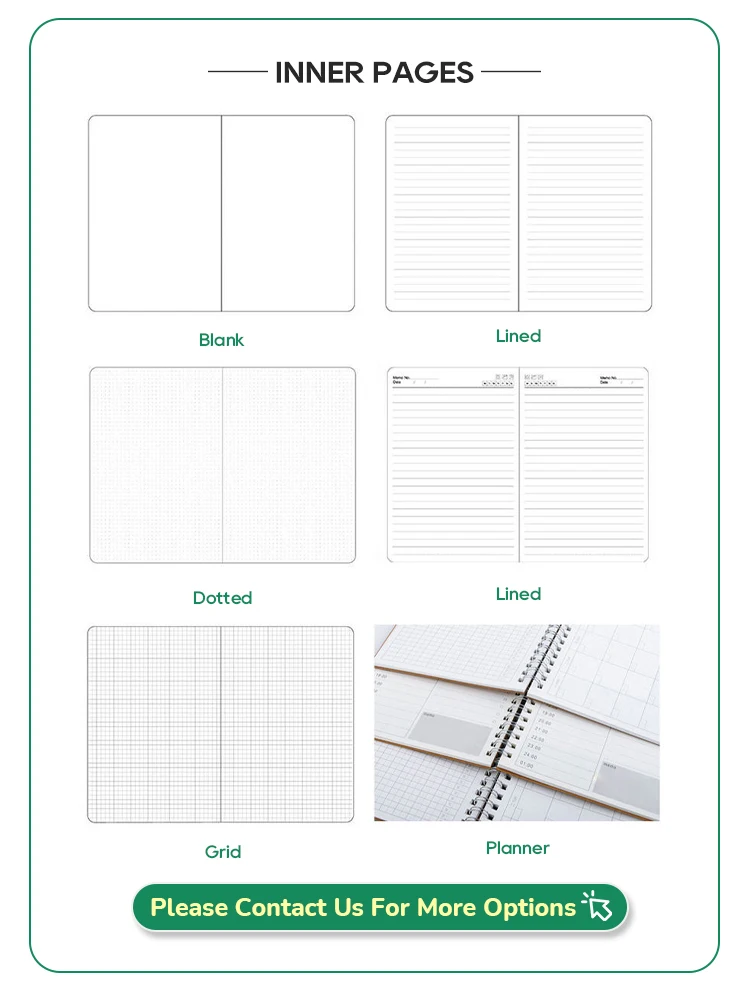
Send the format and page count, the inner paper you want, the binding and case construction, the cover material, the finishing, the number of units, the destination and the date you are working towards. Fixing the paper and page count first is what allows the spine, the cover layout and the case to be quoted accurately, because the spine width is calculated from the paper bulk. Quotes are issued within 24 hours, and the wider range is grouped in our notebook printing category.
Technical Specifications
See the full notebook printing category for related notebook and stationery formats.
Key Takeaways
- A premium notebook reads premium through the combination of paper, binding and finishing rather than through any single upgrade.
- Cream uncoated paper of 100-120 gsm sets the block bulk, so the spine width and the cover follow the paper choice.
- Thread sewn sections hold heavy paper and open wide, where a thick adhesive-bound block begins to crack.
- Heavier paper is folded in smaller sections to keep the fold clean.
- Foil, deboss, emboss and spot UV run after lamination, and spot UV is kept clear of creases and folds.
- Colour is proofed on the final paper, and production is 8-10 days softcover and 10-15 days hardcover.
Frequently Asked Questions (FAQ)
Q: What makes a notebook read as premium?
A: The combination of heavy uncoated paper with a soft hand, a sewn block that opens wide, a hard case with headbands and a ribbon, and restrained finishing. Any one feature alone is an upgrade rather than a premium result.
Q: Which paper weight should a premium notebook use?
A: 100-120 gsm cream or ivory uncoated writing paper is the usual range. Thicker paper adds bulk to the block, so the spine width and cover dimensions follow the paper rather than the other way around.
Q: Why choose thread sewn binding?
A: Sewn sections hold heavy paper and allow a wide opening without the block cracking, and every page stays attached. Thick adhesive-bound blocks are where pages begin to fall out, which is why sewn binding is used at this level.
Q: In what order are the finishing steps run?
A: Printing, then lamination, then foil, deboss, emboss and spot UV, and finally case making and casing-in with the headbands and ribbon. Foil bonds to a laminated surface, and embossing needs clearance from the foil.
Q: Why is the proof made on the final paper?
A: Cream and ivory stocks warm the printed tone, so a proof on white paper will not predict the result. The signed proof on the actual stock then becomes the reference for foil registration, deboss depth and colour across the run.
Q: How long does production and shipping take?
A: Production is about 8-10 days for softcover notebooks and 10-15 days for hardcover notebooks from file confirmation, with samples in about 5-7 days. Air freight takes 5-7 days, sea freight about 1 month on common routes.
Q: What if there is a quality issue?
A: Quality is checked at every stage of production. If a quality issue is confirmed, we reprint free of charge or refund, and after-sales is covered.
Send your specs and get a custom quote.
| Product name | Thread Sewing Binding Notebook Printing |
| Color | Custom |
| LOGO | Customized |