The Complete Guide to Board Book Printing: Materials, Safety, and Quality for Children’s Board Books
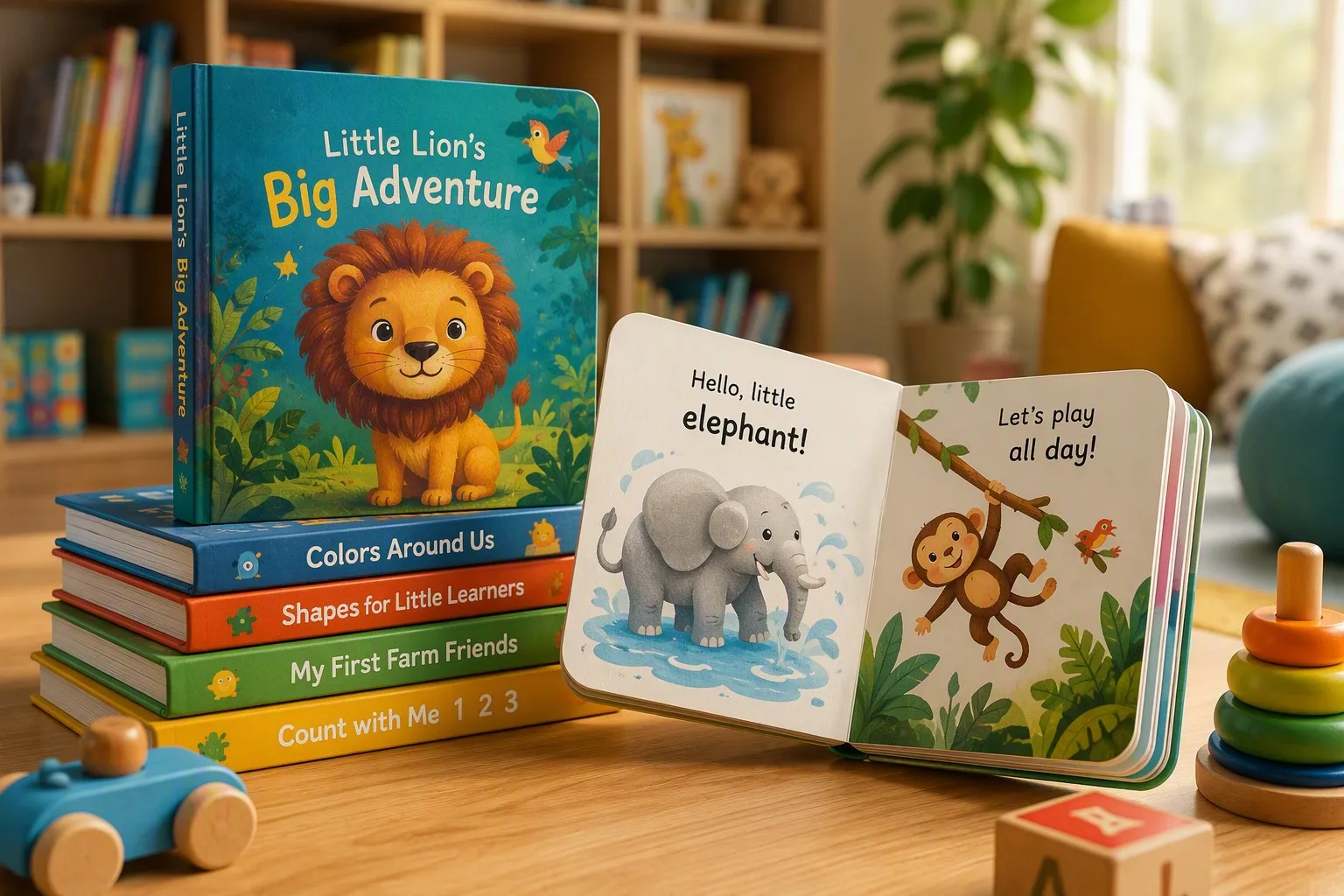
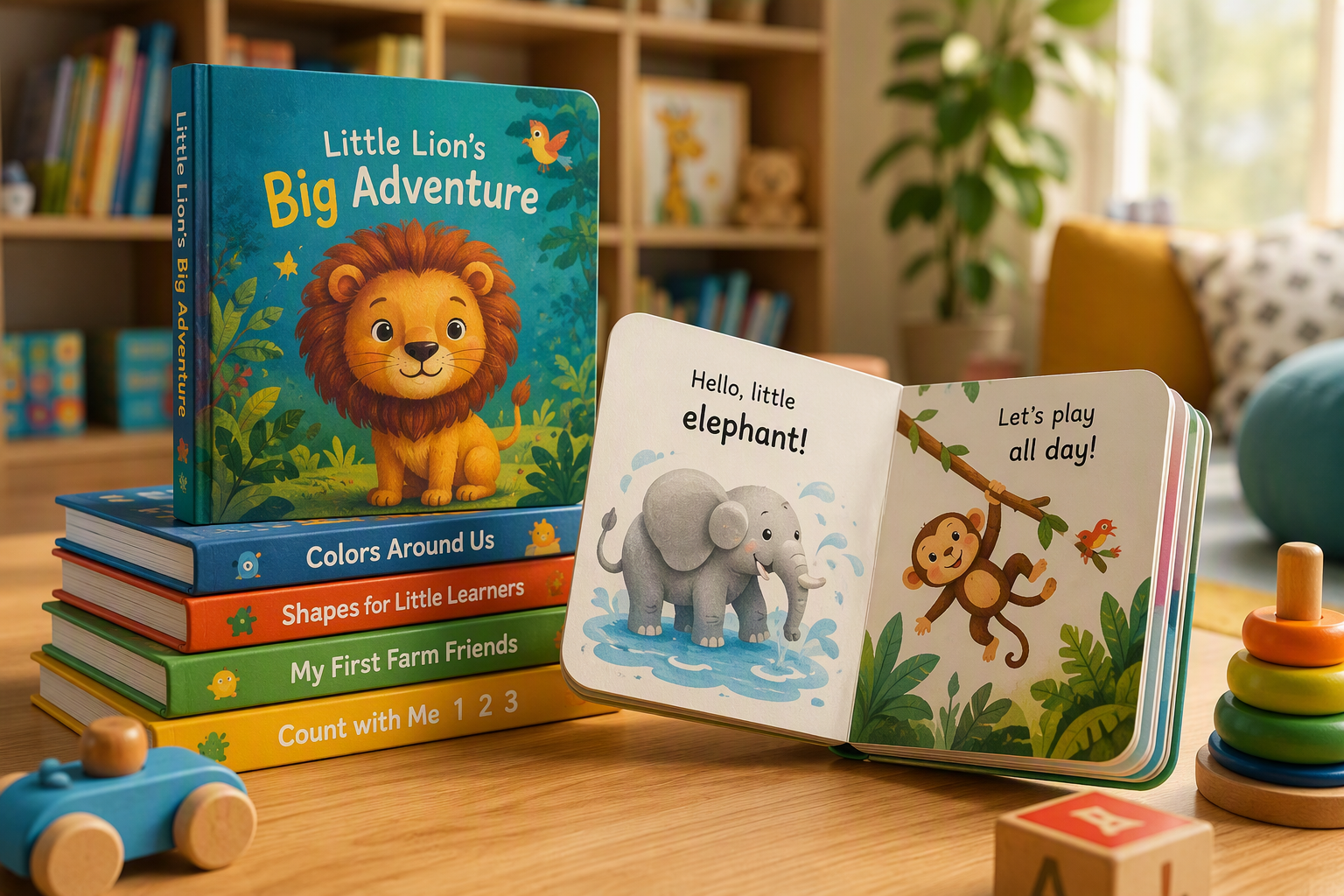
Board Book Printing is a specialized manufacturing process that produces rigid, chew-proof books designed for infants and toddlers. Unlike standard paperbacks, Children’s Board Books must survive drops, bending, and even mouthing, which demands fundamentally different materials, adhesives, and finishing standards.
For B2B buyers, understanding these technical distinctions is the difference between a bestselling product and a costly safety recall. This guide covers everything from board stock selection to international safety compliance.
Key Takeaways
- Material Matters: Choose dense, food-grade board stock with a tear-resistant lamination for maximum durability.
- Ink Safety: Use soy-based or water-based inks with low VOC content to eliminate toxicity risks.
- Compliance is Mandatory: EN71-3, CPSIA, and ASTM F963 are non-negotiable gateways to Western markets.
- Source Smart: Partner with certified factories like Longyin Druck that test every production batch.
Table of Contents
- Chapter 1: Choosing the Right Board Material for Durable Board Books
- Chapter 2: Printing Techniques: Offset vs. Digital and Finishing Details
- Chapter 3: Safe Ink for Children: Soy Ink, Water-Based Ink, and VOC Control
- Chapter 4: Safety Standards and Certifications You Cannot Ignore
- Chapter 5: Cost Control, MOQ, and Shipping Considerations
- FAQ: Common Questions About Board Book Manufacturing
Chapter 1: Choosing the Right Board Material for Durable Board Books
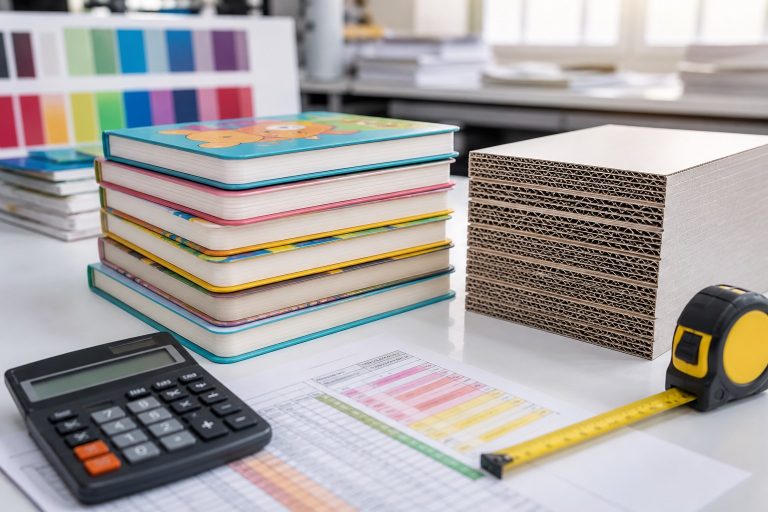
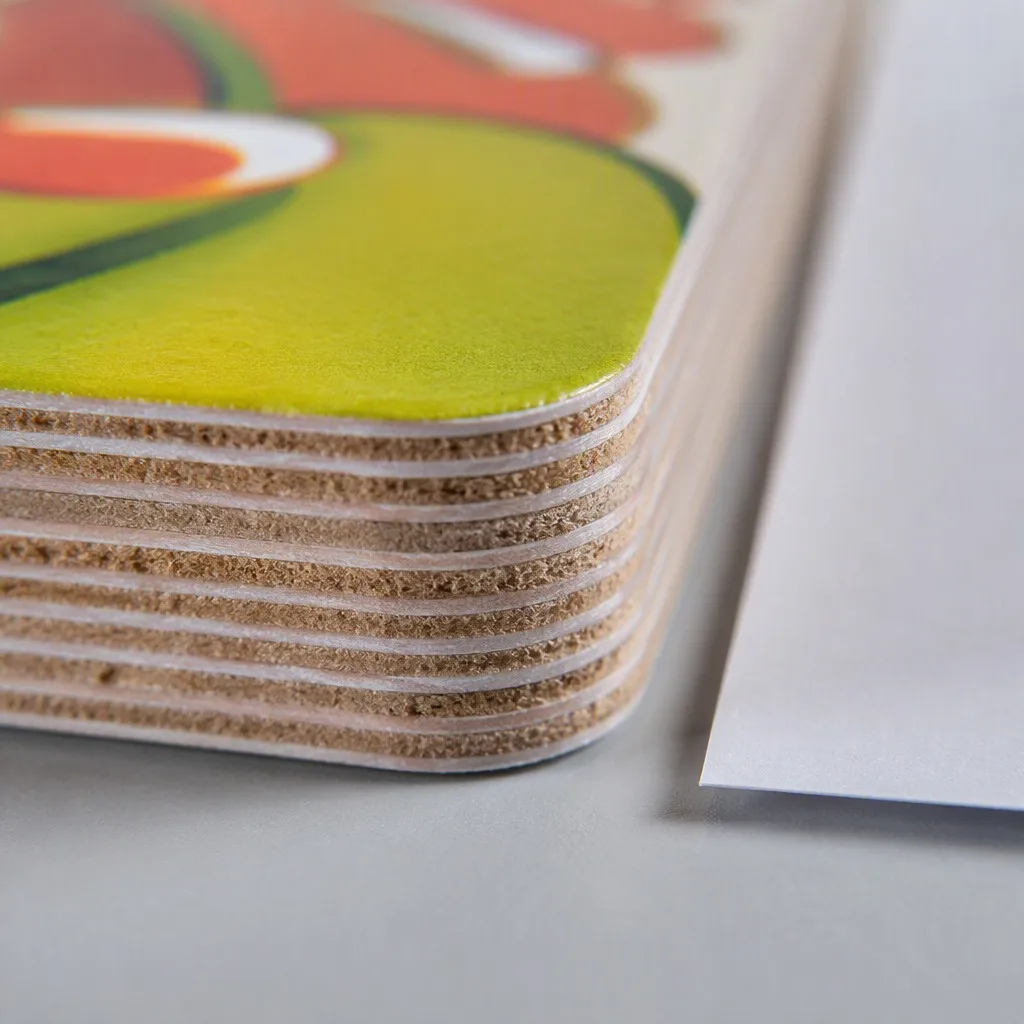
The core of a board book is its rigid cardboard substrate, typically ranging from 1.0mm to 2.5mm in thickness. Heavier boards (above 1.5mm) resist bending by small hands and extend the product’s usable life.
White card stock (CCNB) offers a bright, printable surface ideal for vivid illustrations, while grey board (GGP) is more economical but requires full-surface lamination to prevent show-through. For premium products, consider food-safe, coated duplex board for extra stiffness.
Lamination choice matters as much as the substrate itself. A matte or glossy PET lamination adds a protective film that resists moisture, scratching, and peeling, which are the most common wear patterns on Children’s Board Books.
| Board Type | Thickness Range | Best For | Key Consideration |
|---|---|---|---|
| White Card (CCNB) | 1.0 – 1.5mm | Picture books, storybooks | Bright surface, higher cost |
| Grey Board (GGP) | 1.5 – 2.5mm | Puzzles, thick pages | Needs full lamination |
| Coated Duplex | 1.2 – 2.0mm | Premium, food-safe lines | Best stiffness-to-weight ratio |
Chapter 2: Printing Techniques: Offset vs. Digital and Finishing Details
Offsetdruck remains the industry benchmark for Board Book Printing at scale, delivering consistent color at a lower per-unit cost once volumes exceed a few thousand copies. Digital printing suits short runs and personalized editions but at a higher unit price.
For illustrations, insist on a high line-screen (300 LPI equivalent) to reproduce fine line art without moiré patterns. Spot UV or embossing can elevate the tactile experience, but always confirm they use non-toxic, food-contact-safe materials.
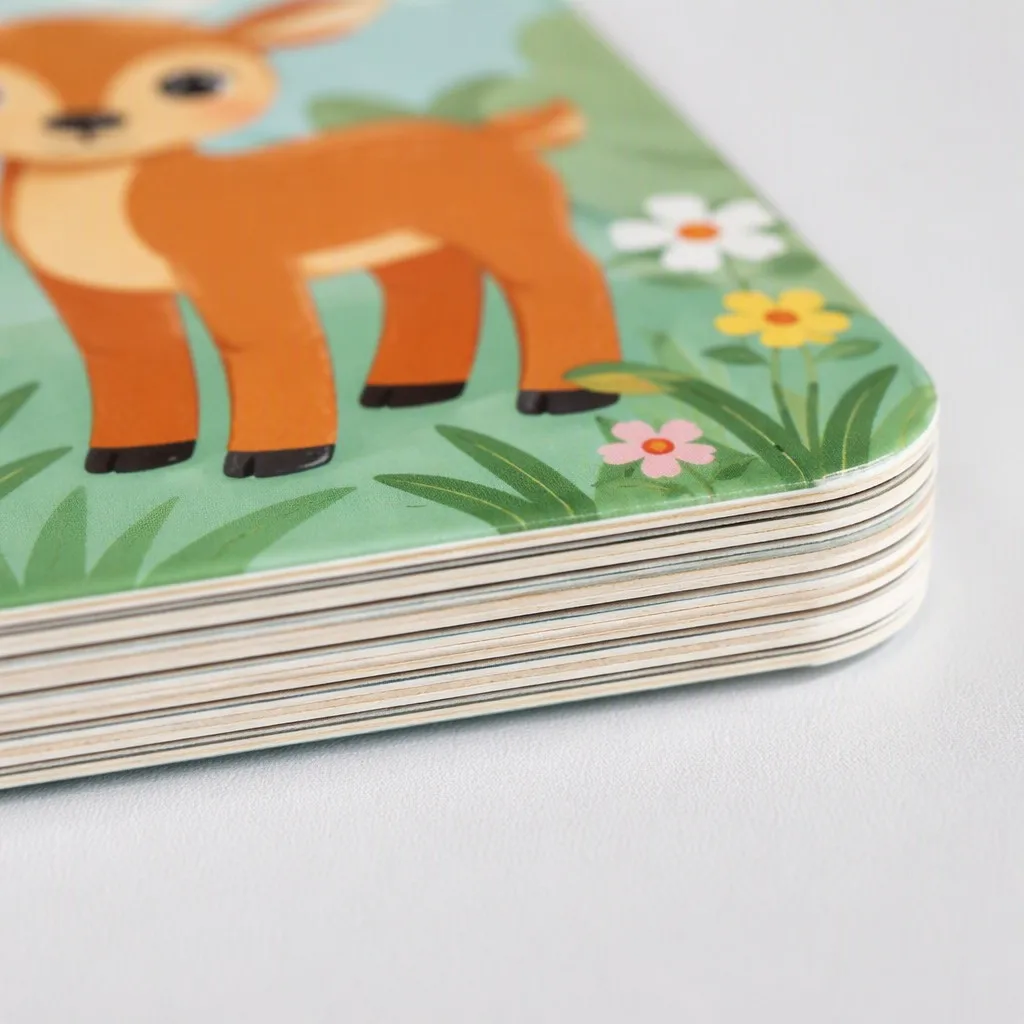
Two finishing steps are critical for toddler safety. Rounded corners remove sharp edges that can scratch or injure, and score-and-fold creasing ensures the board bends cleanly without cracking the print layer. Both are standard in premium production.
Chapter 3: Safe Ink for Children: Soy Ink, Water-Based Ink, and VOC Control
Safe Ink for Children begins with replacing petroleum-based formulations. Soy-based and water-based inks drastically reduce Volatile Organic Compounds (VOCs), which are linked to respiratory irritation and are simply unacceptable in products designed for mouthing.
A well-formulated soy ink is non-toxic, biodegradable, and delivers brighter, more saturated colors than conventional inks. Water-based inks go further, offering near-zero VOC emissions and easier cleanup, making them the preferred choice for regulatory compliance.
For absolute peace of mind, request a Material Safety Data Sheet (MSDS) from your supplier. This document verifies the chemical composition of every ink and coating used in your Children’s Board Books.
Request Our Ink Safety Documentation & MSDS Package Now!
Chapter 4: Safety Standards and Certifications You Cannot Ignore
Entering the US market requires compliance with the Consumer Product Safety Improvement Act (CPSIA). Under CPSIA, no accessible part of a children’s product may contain more than 100 ppm of lead, and strict limits apply to phthalates as well (source: U.S. Consumer Product Safety Commission, CPSC.gov).
For the European Union, EN71-3 governs the migration of heavy metals from toy materials. The standard specifies test methods and migration limits for 19 elements, including lead, arsenic, cadmium, and mercury, across three toy-material categories (source: CEN, EN 71-3 standard).
The ASTM F963 standard, mandated by US law for toys, adds mechanical, flammability, and labeling requirements on top of chemical limits. Wherever you sell, FSC certification provides third-party proof that your paper originates from responsibly managed forests through a verified Chain of Custody (source: Forest Stewardship Council, fsc.org).
Get Your Free Compliance Checklist for Western Markets!
Chapter 5: Cost Control, MOQ, and Shipping Considerations
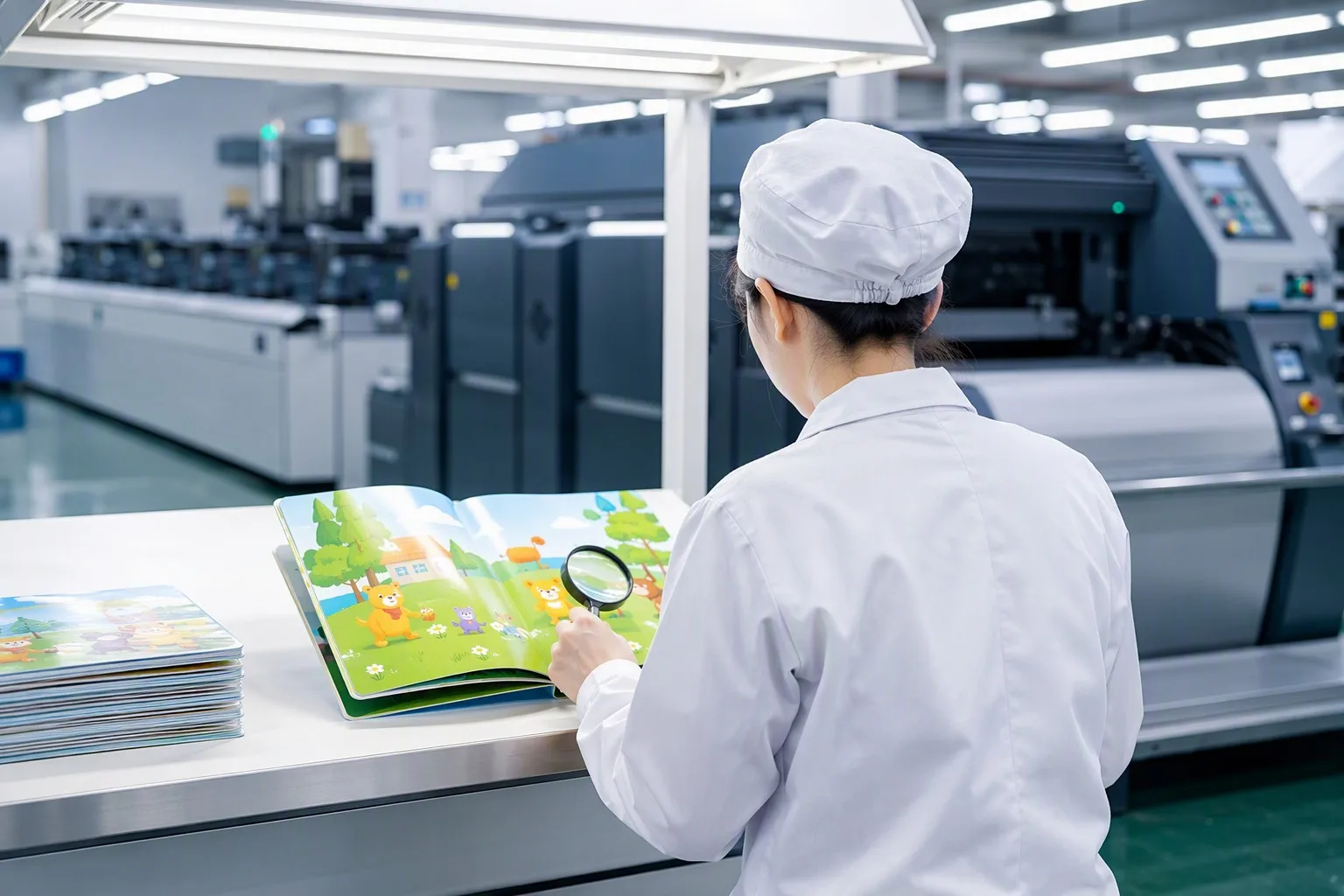
Minimum order quantities (MOQ) vary by binding complexity; standard board books typically start around 1,000 copies, while layered or die-cut structures may require higher volumes. Always request a pre-production proof to validate color, board thickness, and die-cut shapes before mass production.
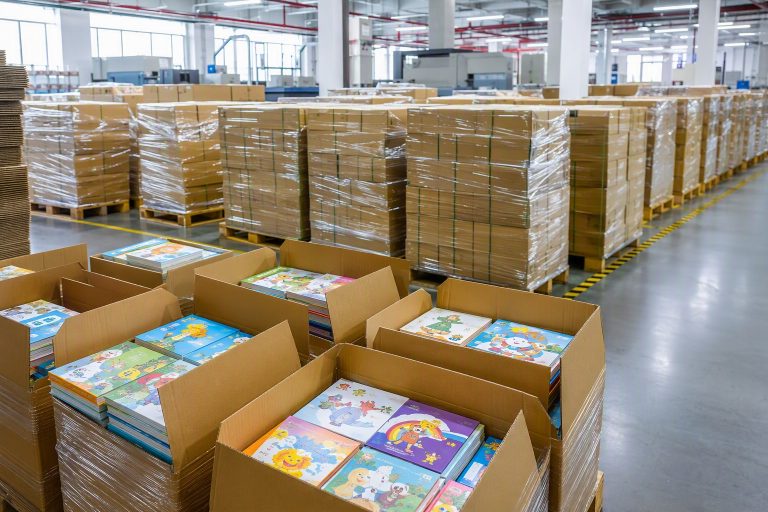
For international shipping, board books are heavy, so freight cost per unit is a major factor. Negotiate packaging specifications (flat-packed vs. boxed) and consider sea freight for large volumes to protect your margin.
Working directly with a source factory eliminates intermediary markups. At Longyin Druck, we combine in-house testing with transparent pricing, so your Durable Board Books arrive compliant and on schedule.
FAQ: Common Questions About Board Book Manufacturing
Q: What board thickness should I choose for a standard baby book?
A: For standard 8-page to 16-page baby books, 1.5mm to 2.0mm board stock offers the best balance of durability and handling ease.
Q: Are soy-based inks safe for babies who chew on books?
A: Yes, properly cured soy inks are non-toxic and biodegradable, making them a primary choice for safe children’s printing.
Q: How do I verify my supplier meets CPSIA requirements?
A: Request third-party test reports showing lead content below 100 ppm, and confirm your printer holds a valid children’s product certificate.
Build Board Books That Parents Trust
The market rewards products that are both beautiful and uncompromisingly safe. From material selection to final certification, every decision shapes your brand’s reputation with young families.
Partner with a manufacturer that treats safety as a science, not a marketing slogan. Our engineers will guide you through materials, standards, and logistics from first sketch to final carton.
Get Your Custom Board Book Quote & Safety Consultation Today!
Longyin Druck — Crafting Safe, Durable Books for the World’s Children.