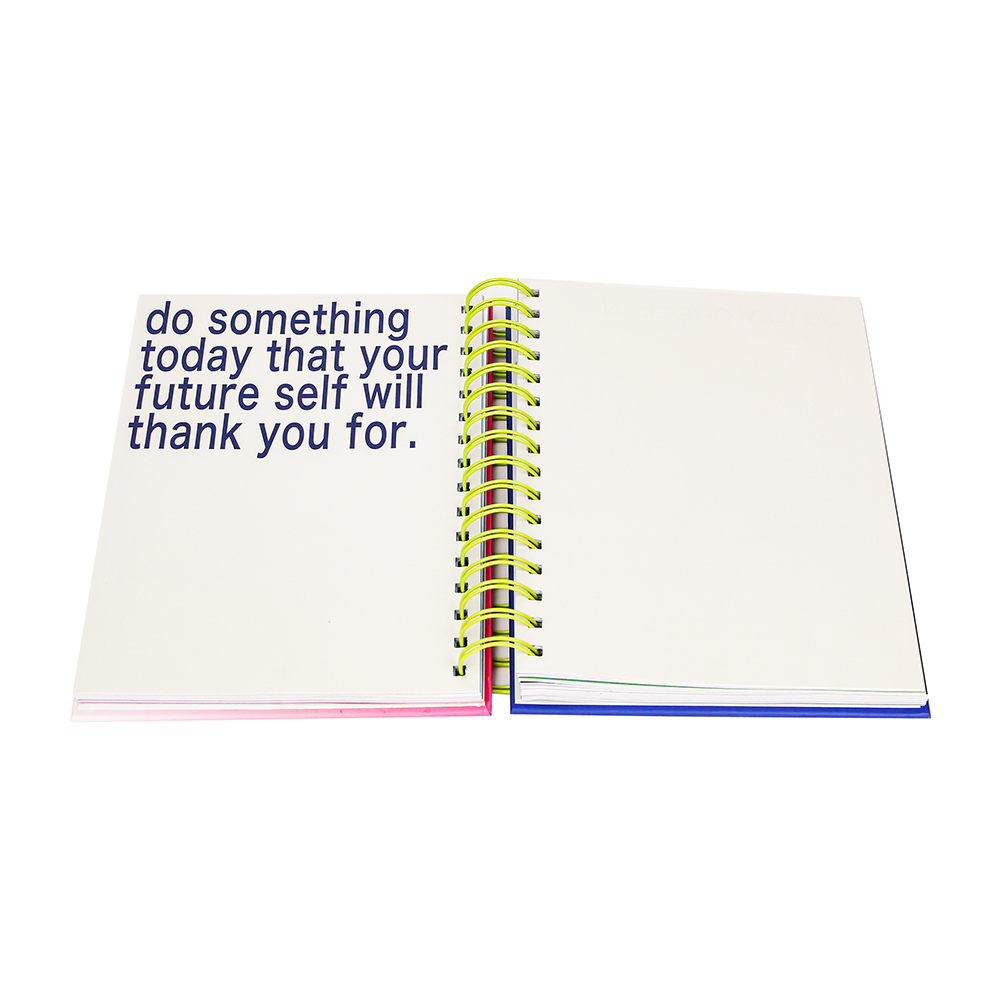
Coil Binding Notebook Printing — Pitch, Diameter and the Page Counts That Fit
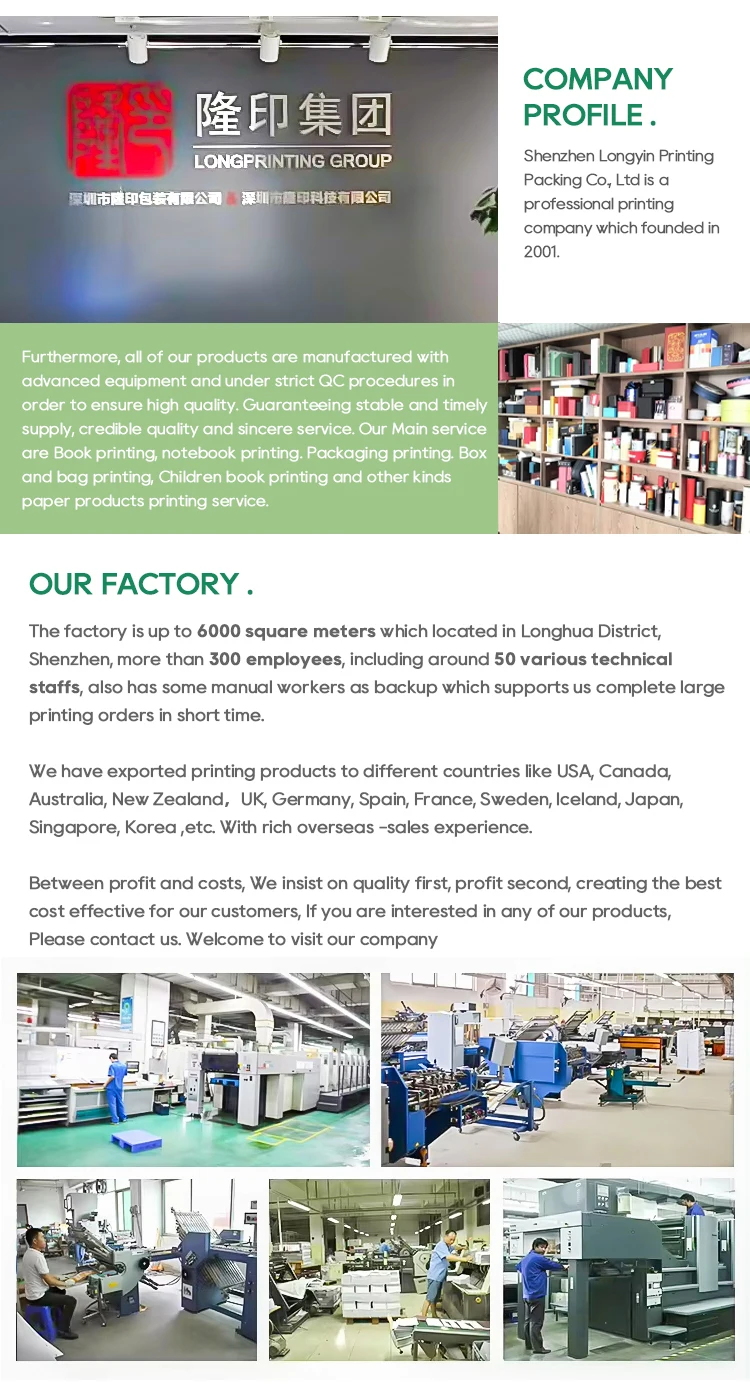
Coil binding notebook printing is decided by three numbers before anything is printed: the hole pitch, the coil diameter and the page count. Get those three right and the pages turn freely and lie flat for the life of the product; get them wrong and the block is tight, the pages slip, or the coil is crushed in transit. At Longyin Printing punching, coil insertion and end finishing run on our own Shenzhen binding line, so the coil is matched to each block rather than picked from what is in stock elsewhere.
Send your specs and get a custom quote.
What Is Coil Binding?
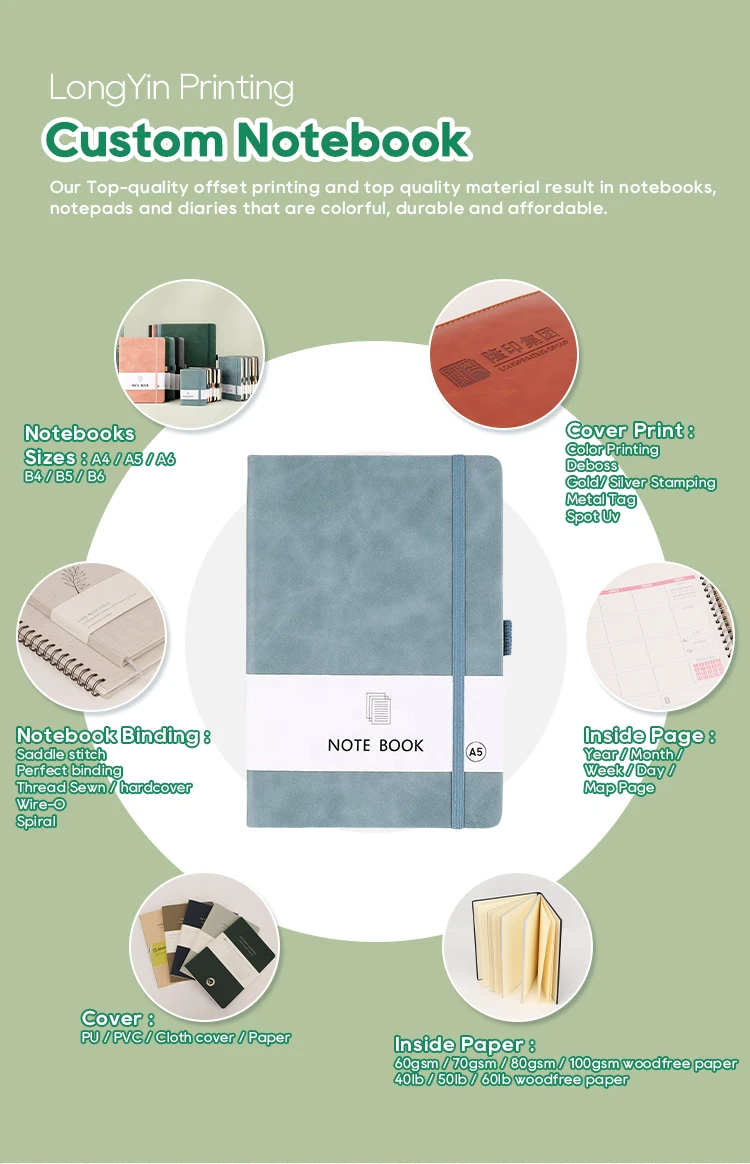
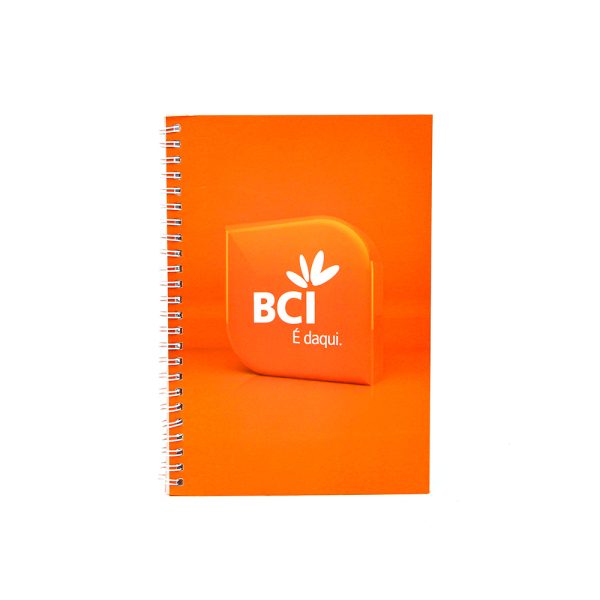
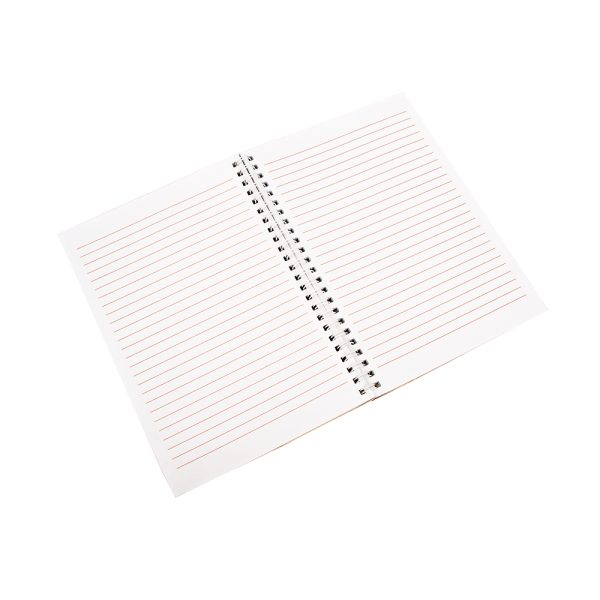
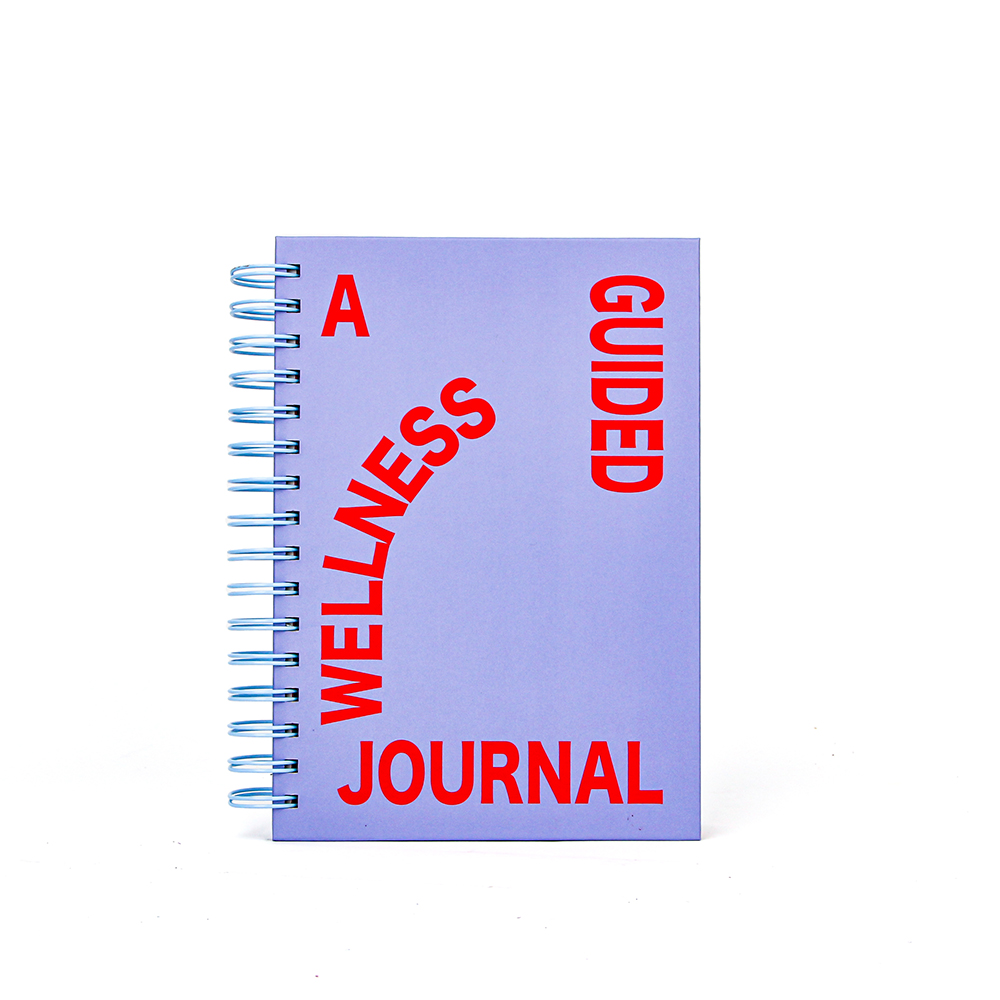
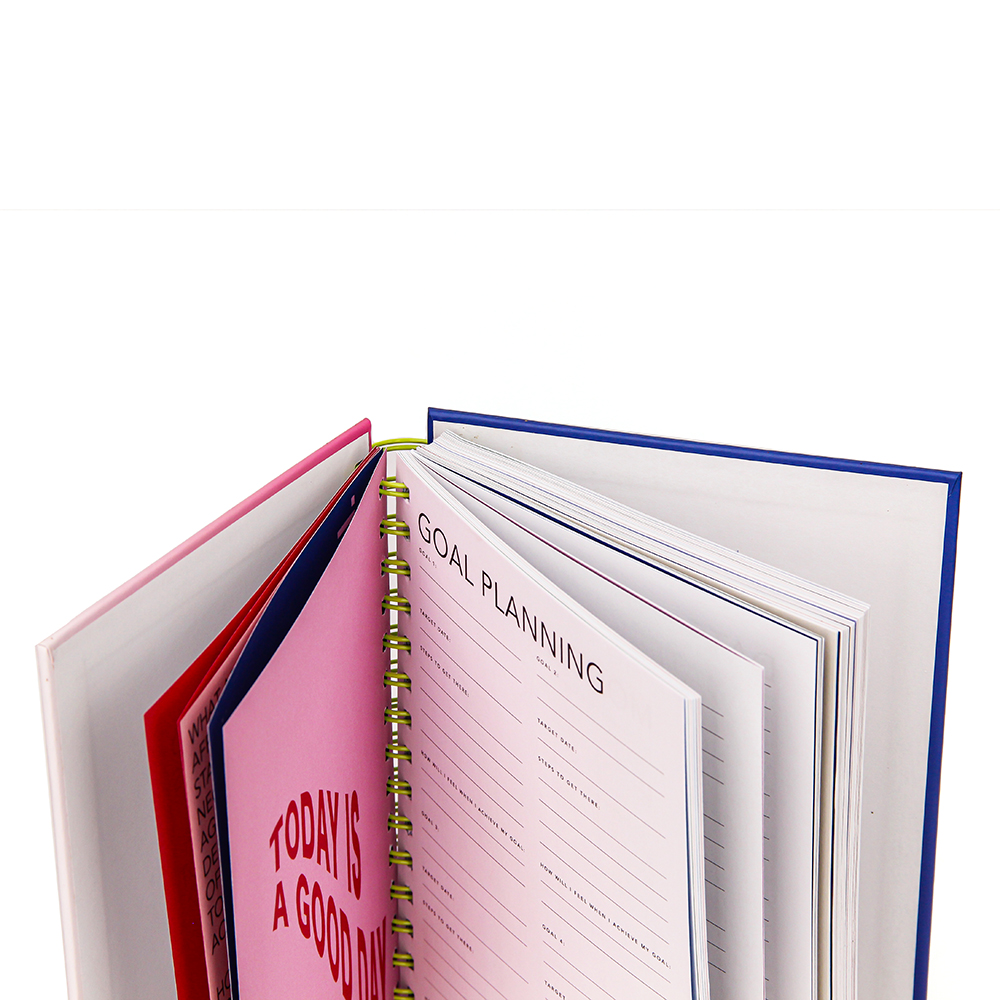
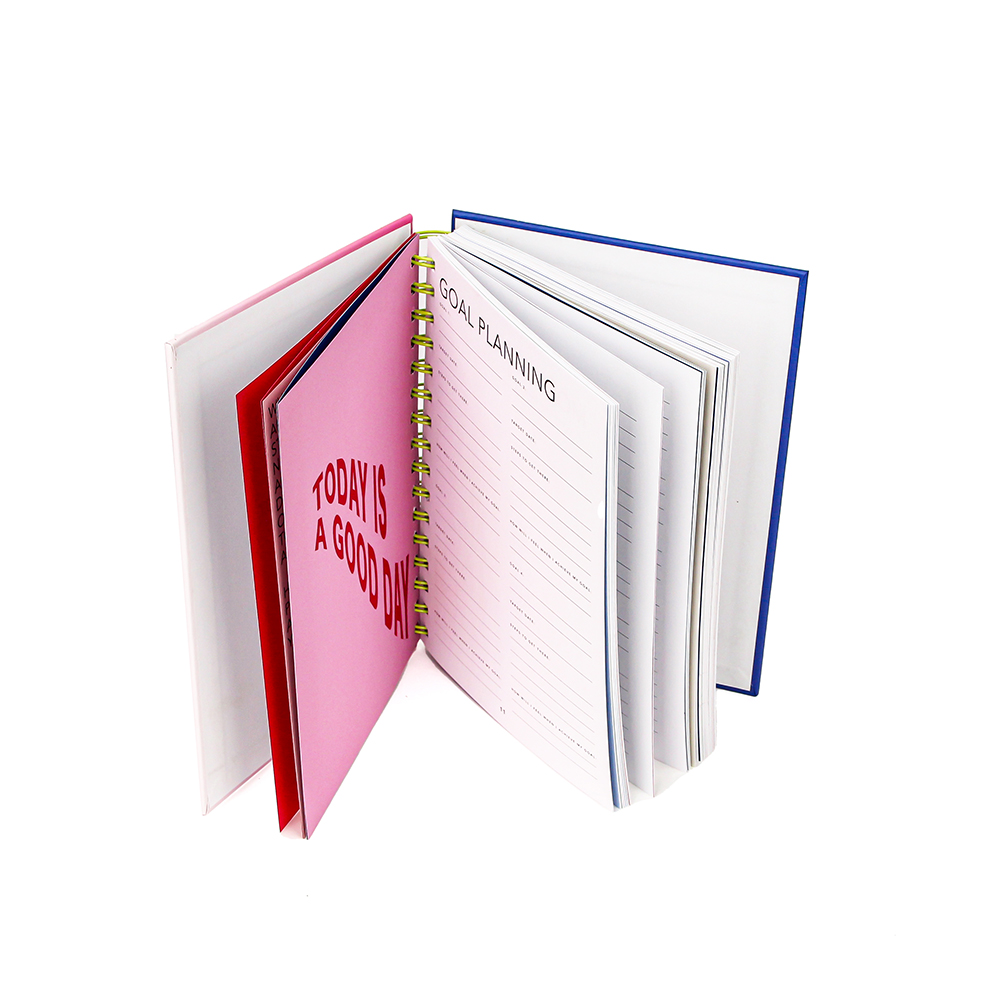
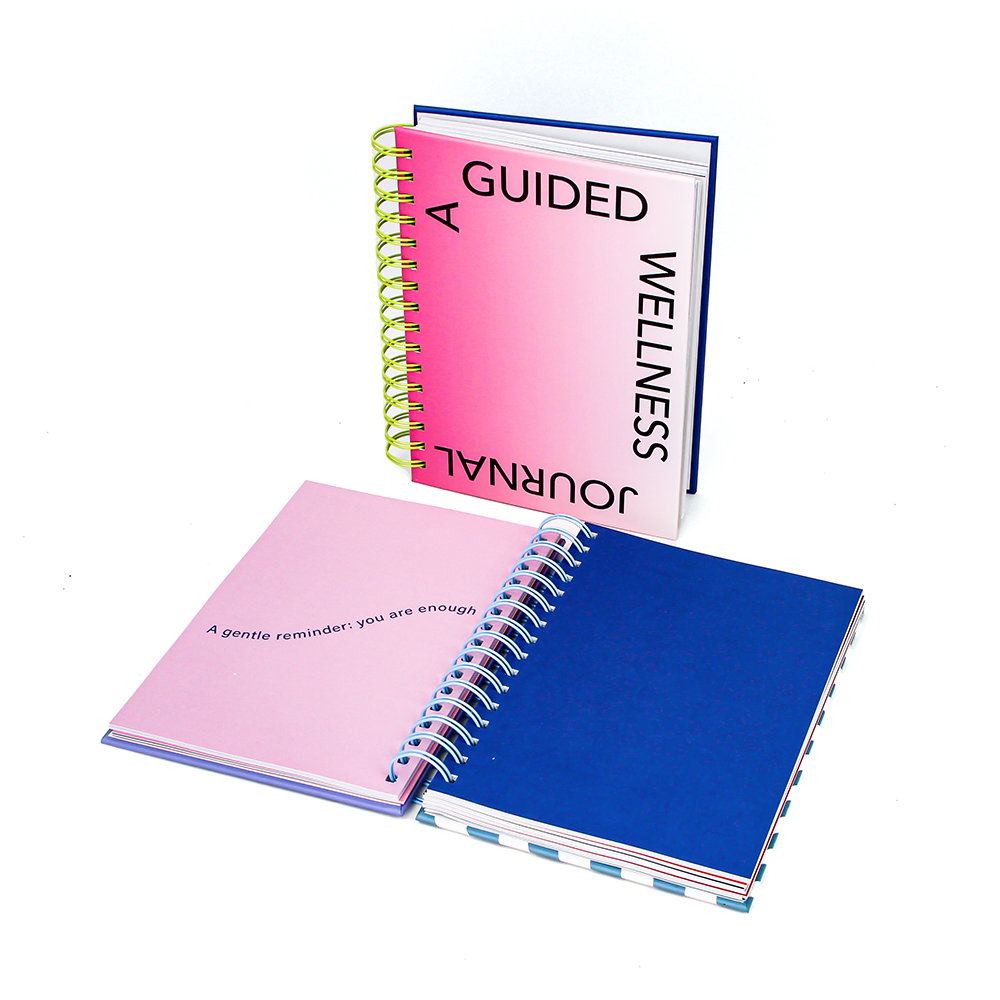
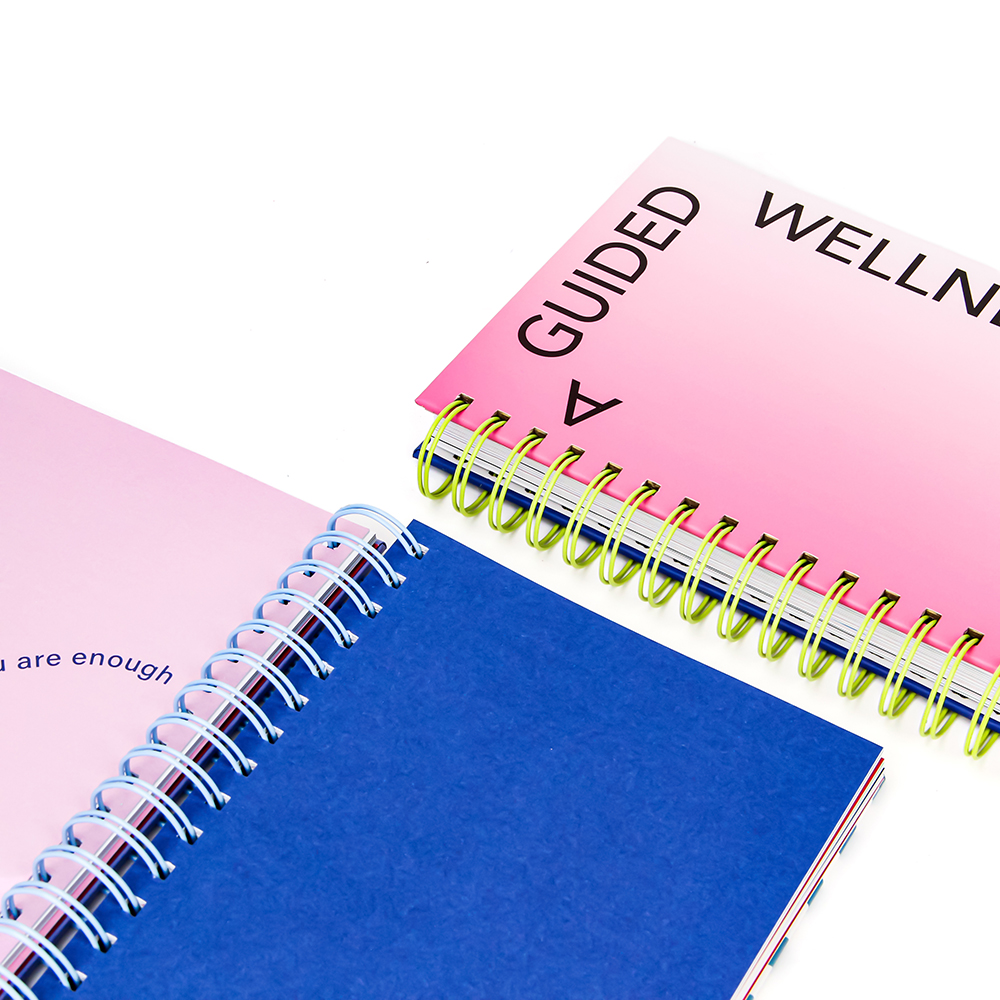
Coil binding threads one continuous coil through round punched holes along the spine and spirals it through the whole block, so every page is held separately along its own edge. Because the pages are single leaves rather than folded sections, one coil serves any page count. It is often called spiral coil binding, and the pitch is the measurement that decides how it behaves.
What Is Hole Pitch and Which One Do You Need?
Pitch is the number of holes per inch along the spine: 4:1 for standard blocks and 3:1 for thick ones. The pitch fixes the coil diameter that will fit, and it also sets how firmly the pages are held. A finer pitch gives more contact points, a coarser pitch fewer but larger holes.
How Is Coil Diameter Matched to the Block?
The coil diameter has to cover the block thickness with a small amount of clearance, so an undersized coil pinches the pages and an oversized one lets them ride loose. The diameter follows the page count and the paper weight together, which is why neither is quoted before the other is known. A generous coil also lets the block fold back on itself without straining.
Which Coil Material Should You Choose?
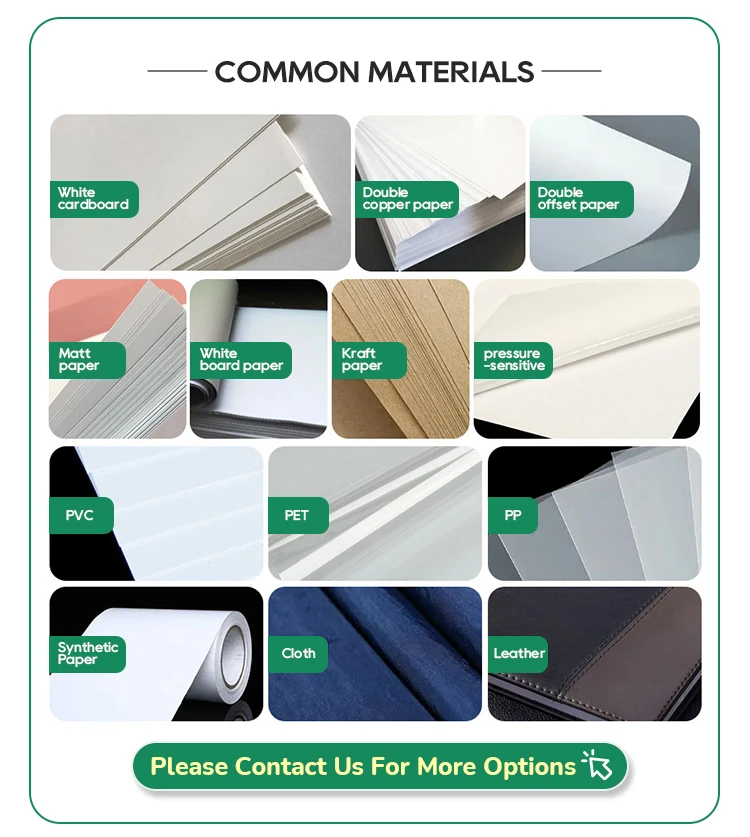
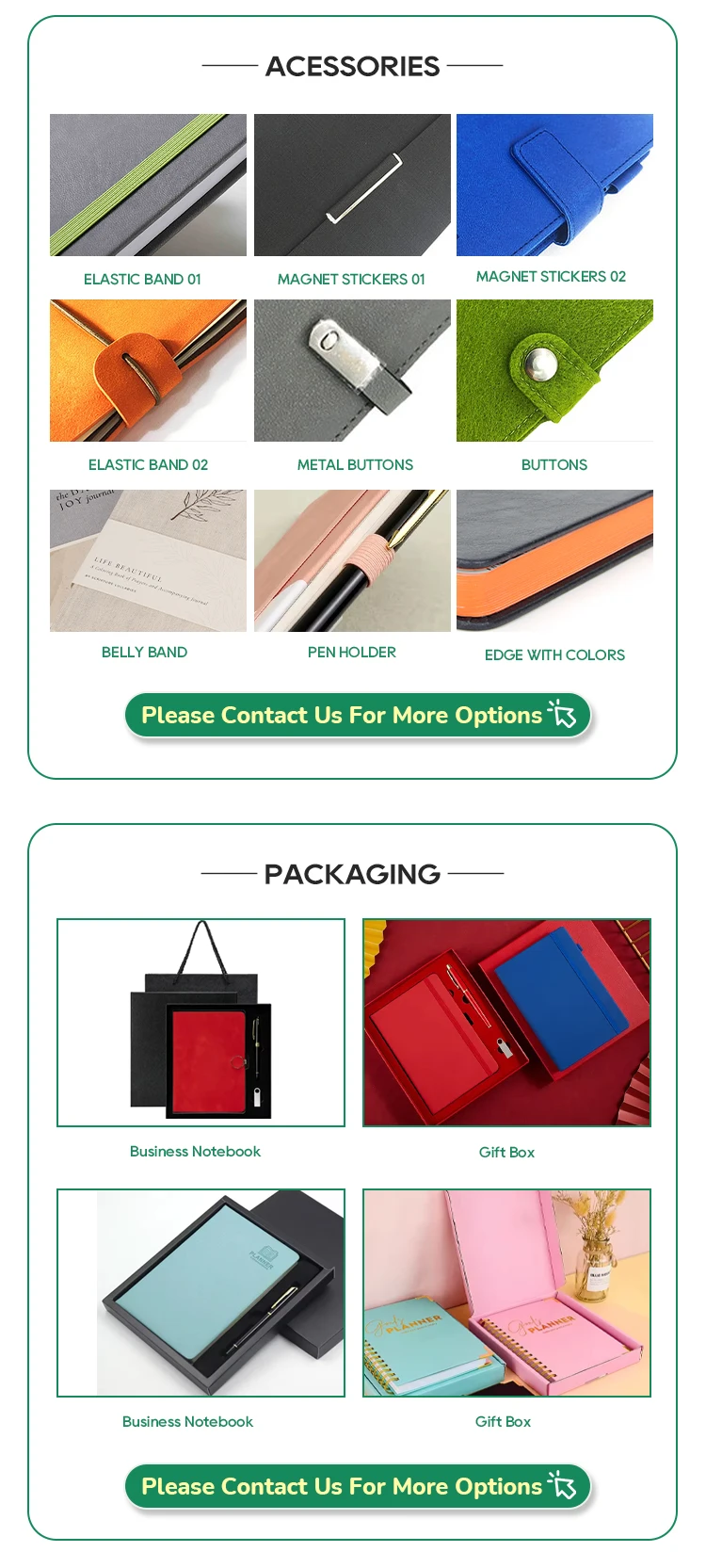
PVC coil is the flexible, colourful option and metal coil is the stiffer one, and the choice affects feel, weight and how the ends are finished. Both are available in a range of diameters and colours, and both can be supplied in colours matched to a cover or a brand palette.
Why Is Plastic Coil Notebook Printing So Common?
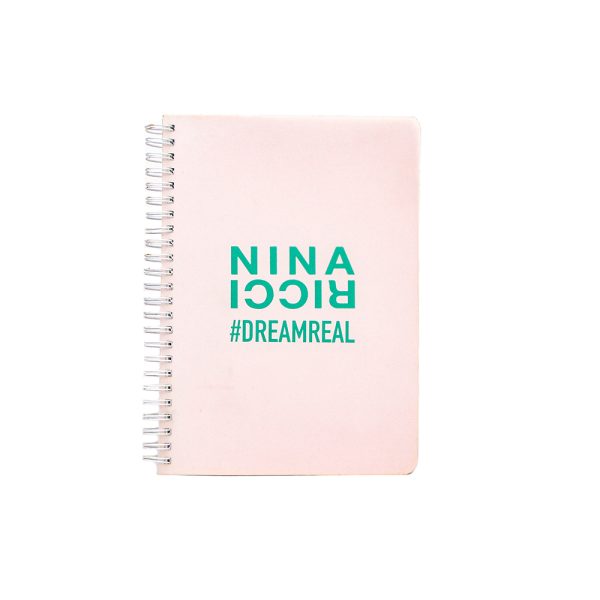
PVC coils cost less, take colour easily and survive being dropped, which is why plastic coil notebook printing covers most promotional and everyday notebook work. Metal coil is the choice when the notebook has to feel heavier and last longer on a desk. Both are punched the same way, so switching coil material does not change the page layout.
How Does the Punching Change the Page Layout?
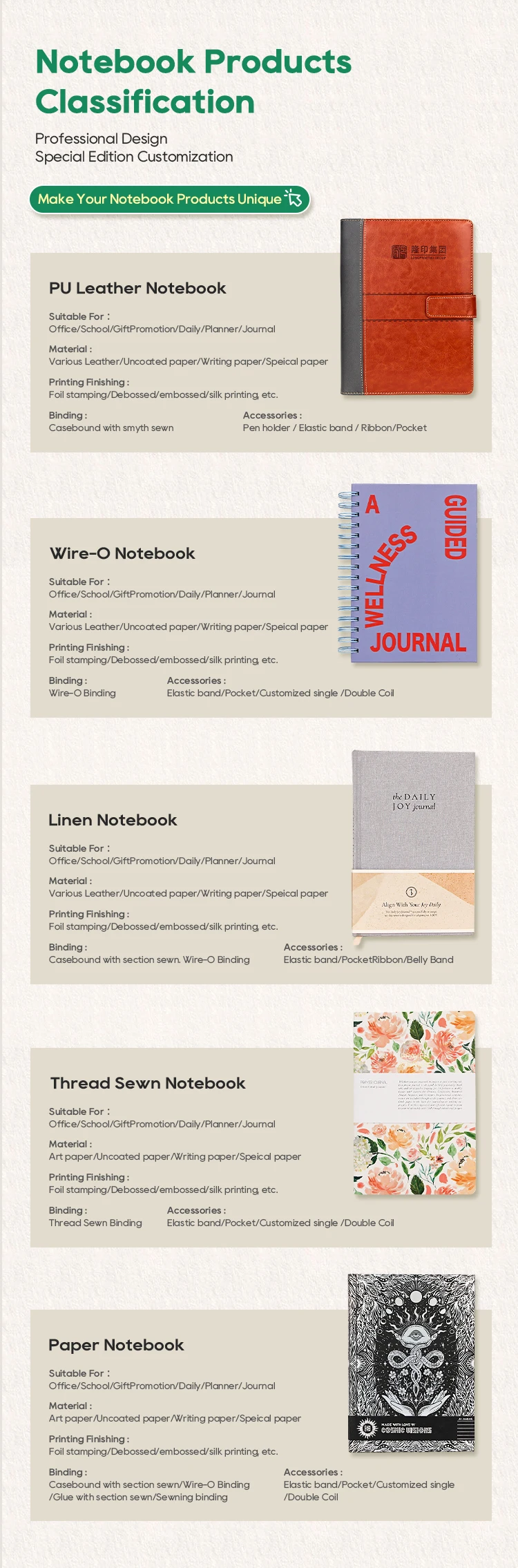
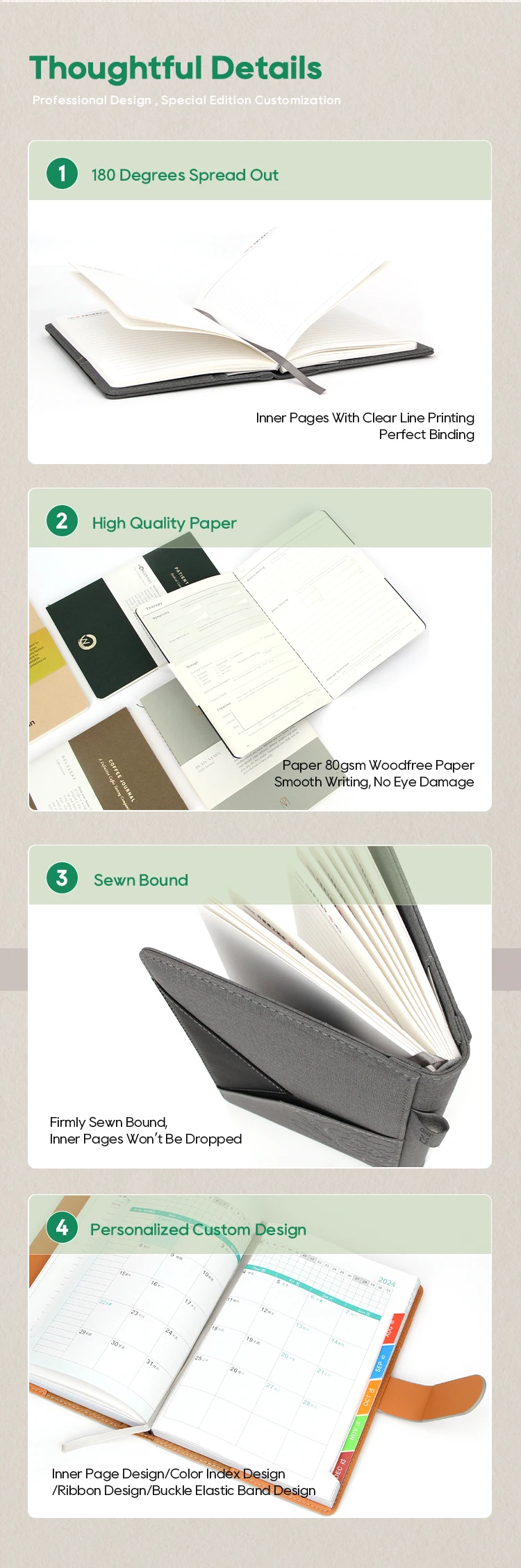
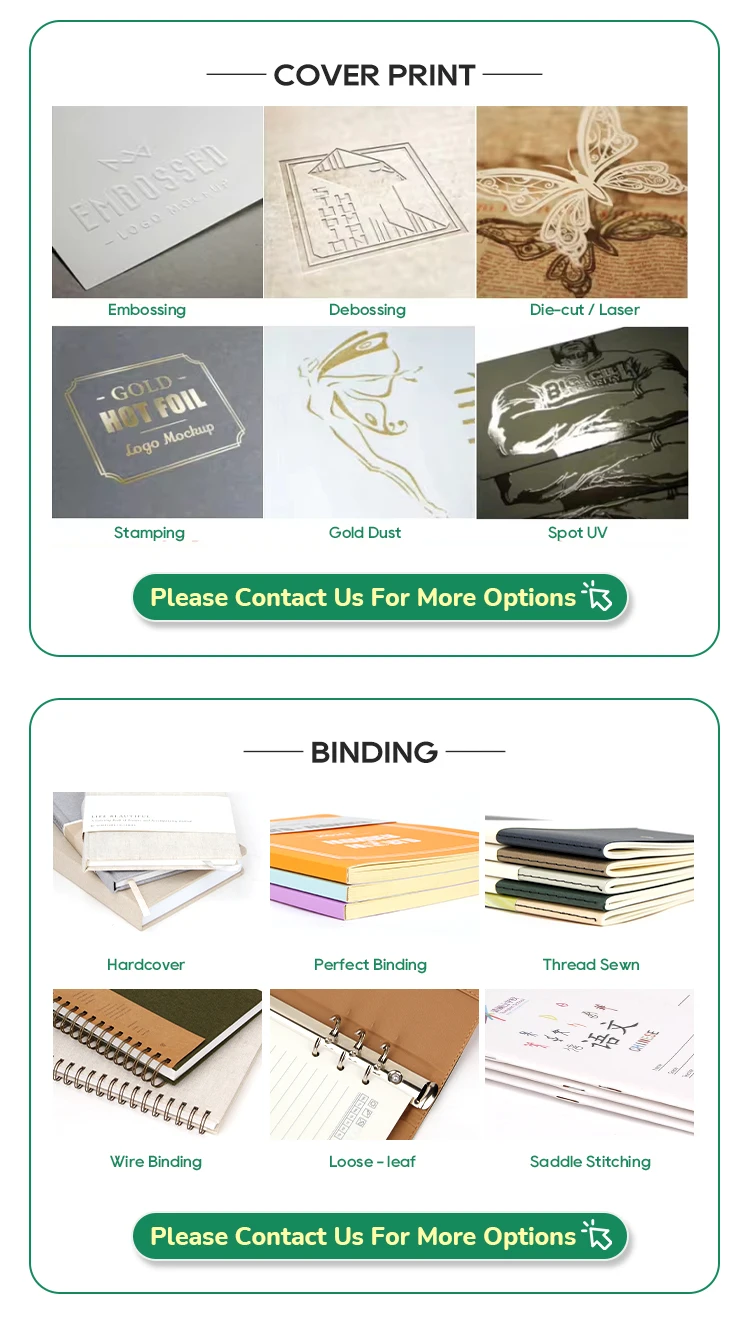
The punched hole line owns the inner margin, so text and artwork clear the holes rather than run to the spine edge. The outer three edges can be printed full bleed, and pages open a full 360 degrees. Because the block is made of single leaves, the ruled area can run closer to the bottom of the sheet than in a sewn book.
Does Coil Binding Let You Change the Page Count Later?
Yes. A coil can be re-threaded, so pages can be added, removed or replaced after the notebook is bound. That flexibility is useful for sample books and reference sets built up over time. It is also why the block thickness is worth stating precisely at the start, since a later change of coil diameter is easy but a change of pitch is not.
How Long Does Production Take?
Production runs about 8-10 days for softcover notebooks and 10-15 days for hardcover notebooks from file confirmation, with samples made in about 5-7 days. Air freight takes 5-7 days and sea freight takes about 1 month on common routes. Punching and coil insertion happen after the covers are printed, so an early cover approval does not hold up the binding.
What Should You Send for a Quote?
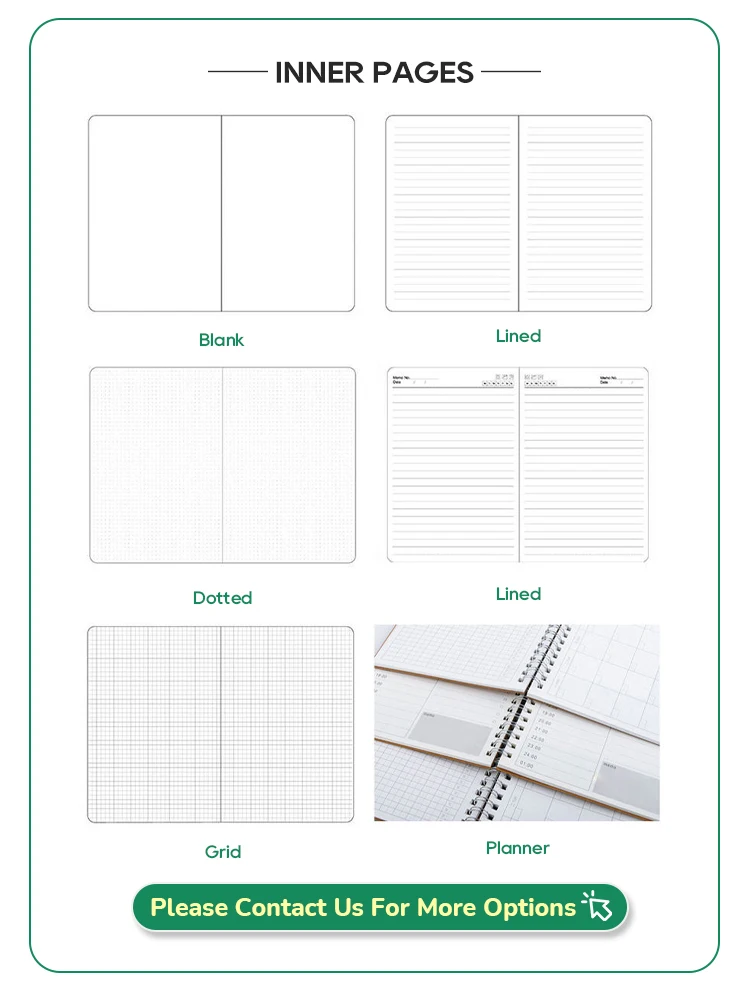
Send the format and page count, the paper and ruling, the cover material, the pitch and coil diameter if you have a preference, the coil colour, the number of units, the destination and the date you are working towards. The page count and the paper weight together fix the block thickness and therefore the coil diameter, so those details come first. Quotes are issued within 24 hours, and the wider range is grouped in our notebook printing category.
Technical Specifications
See the full notebook printing category for related notebook and stationery formats.
Key Takeaways
- Three numbers decide the binding: hole pitch, coil diameter and page count.
- Pitch is measured in holes per inch, with 4:1 for standard blocks and 3:1 for thick ones.
- Coil diameter has to cover the block thickness with clearance, so it follows the page count and paper weight.
- PVC coil is flexible and colourful, while metal coil is stiffer and resists crushing.
- A coil can be re-threaded, so pages can be added or replaced after binding, but the pitch is fixed.
- Production is about 8-10 days softcover and 10-15 days hardcover, with samples in about 5-7 days.
Frequently Asked Questions (FAQ)
Q: What is coil binding?
A: One continuous coil threaded through round punched holes along the spine. Every page is held separately along its own edge, and because the pages are single leaves the block can be any page count.
Q: What does hole pitch mean?
A: Pitch is the number of holes per inch along the spine. 4:1 is standard for notebooks and planners, 3:1 suits thick blocks and larger coil diameters, and 5:1 is used for thin blocks where a fine spine is wanted.
Q: How is the coil diameter chosen?
A: From the block thickness. The coil needs a small amount of clearance, since an undersized one pinches the pages and an oversized one lets them ride loose. The diameter follows the page count and paper weight.
Q: Is PVC or metal coil better?
A: PVC coil is flexible, takes colour easily and springs back when bent, which suits everyday and promotional notebooks. Metal coil is stiffer, resists crushing and carries more weight, which suits heavier notebooks and premium packs.
Q: Can pages be added after the notebook is bound?
A: Yes. A coil can be re-threaded, so pages can be added, removed or replaced, which is useful for sample books and reference sets. The pitch stays the same, so the hole pattern cannot change later.
Q: How long does production and shipping take?
A: Production is about 8-10 days for softcover notebooks and 10-15 days for hardcover notebooks from file confirmation, with samples in about 5-7 days. Air freight takes 5-7 days, sea freight about 1 month on common routes.
Q: What if there is a quality issue?
A: Quality is checked at every stage of production. If a quality issue is confirmed, we reprint free of charge or refund, and after-sales is covered.
Send your specs and get a custom quote.