Thread Sewn Notebook Printing — Bindings That Hold Up Daily
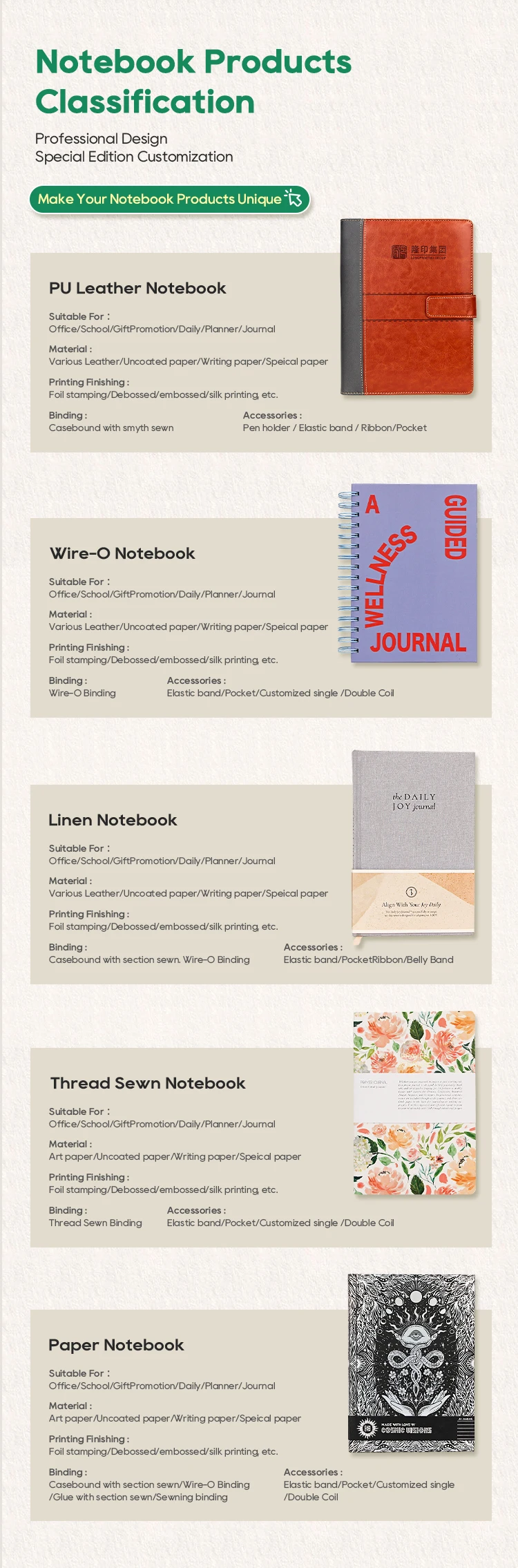
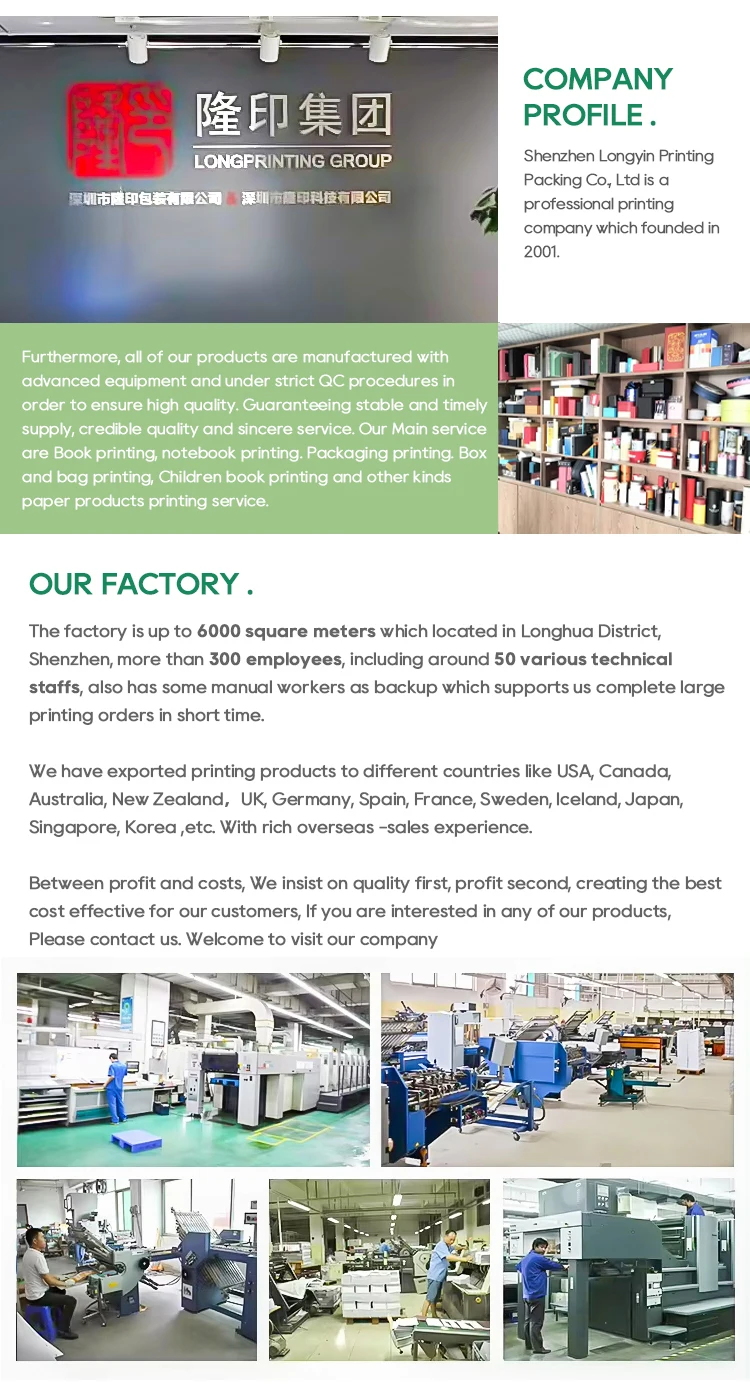
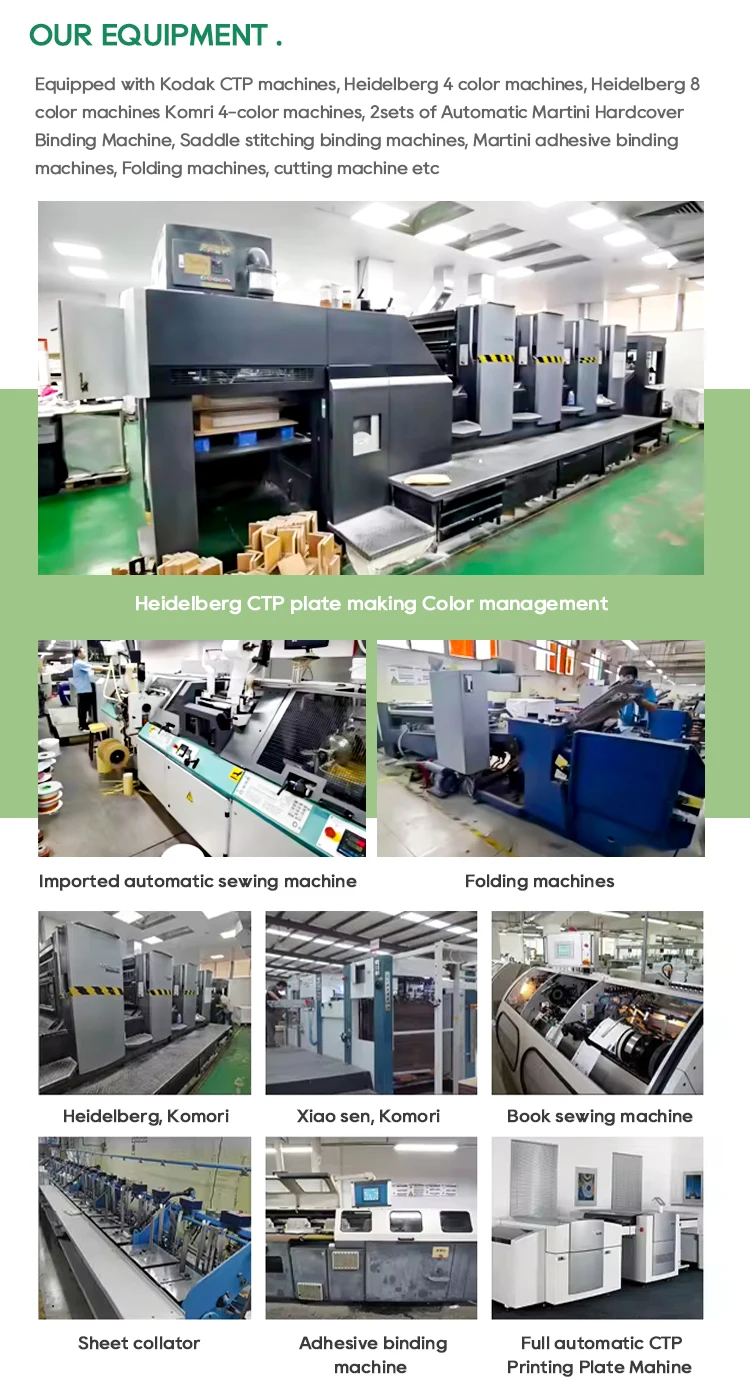
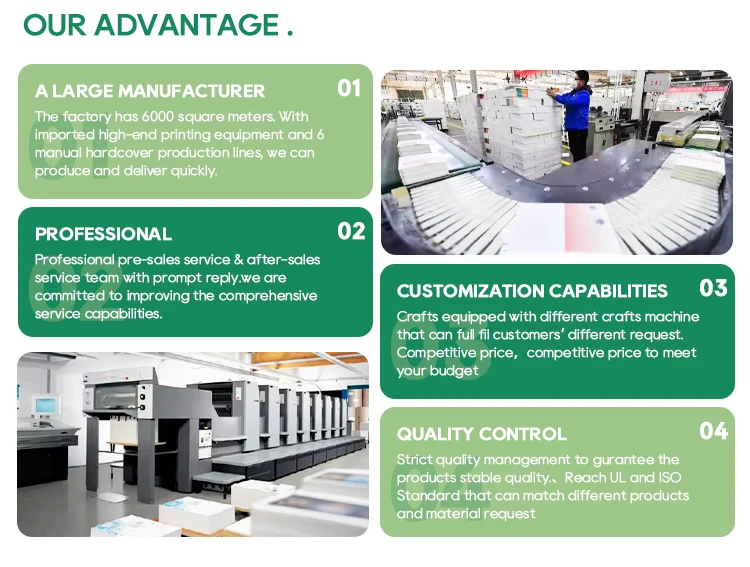
A notebook is opened and closed every day, which is the test most bindings fail. In thread sewn notebook printing the pages are gathered into folded sections and threaded along the fold, so the thread carries the load and the block opens wide without the pages working loose. At Longyin Printing the printing, the sewing and the casing are completed in our own Shenzhen factory, so the block is never passed between suppliers.
Send your specs and get a custom quote.
What Is a Thread Sewn Notebook?
The sheets print as large pages, fold down into sections of 8, 16 or 32 leaves, are threaded along the fold and then glued at the spine as a block. The glue holds the sections together; the thread holds the pages inside each section. That division of labour is the whole reason the binding behaves differently from a glued one.
Why Do Sewn Pages Stay In?
Each leaf is threaded through its neighbours, so a page cannot detach on its own even if it is handled roughly, whereas a glued block relies on the spine adhesive along a single edge. In a perfect-bound notebook every page depends on the same glue line, which is what fails first on heavy paper or a thick block.
How Widely Does a Sewn Notebook Open?
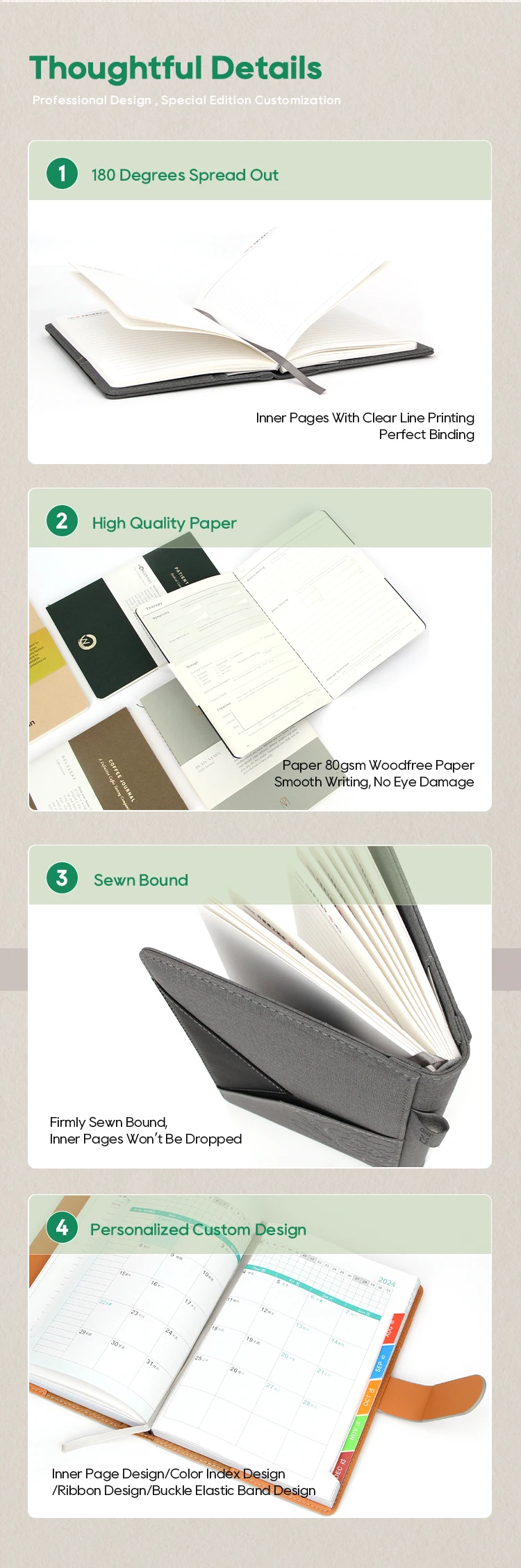
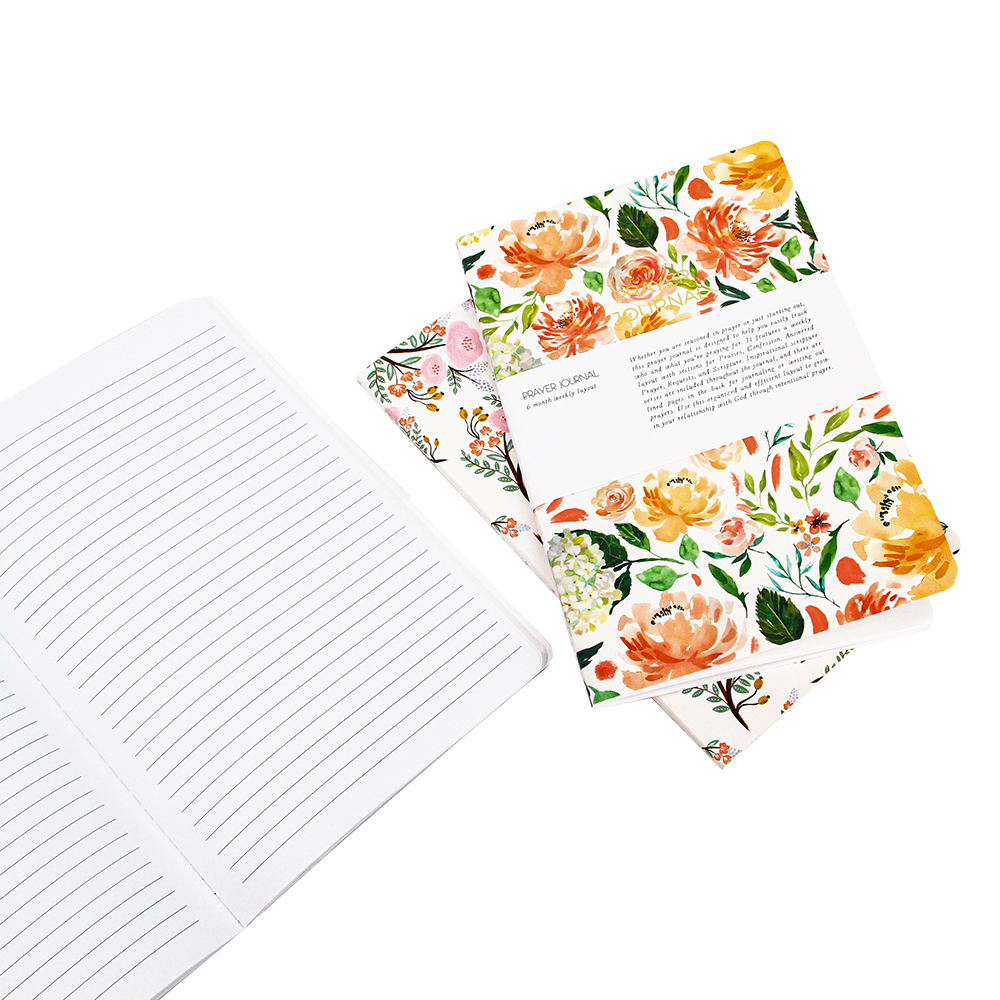
A sewn block hinges at the folds of its sections rather than at a glued edge, so the notebook opens wide and stays flat while you write. Combined with a hollow back, the pages sit close to level on both sides, which matters for anyone who writes along the inner margin. The inner margin in the layout is set to allow for that hinge.
Which Notebooks Suit Thread Sewing?
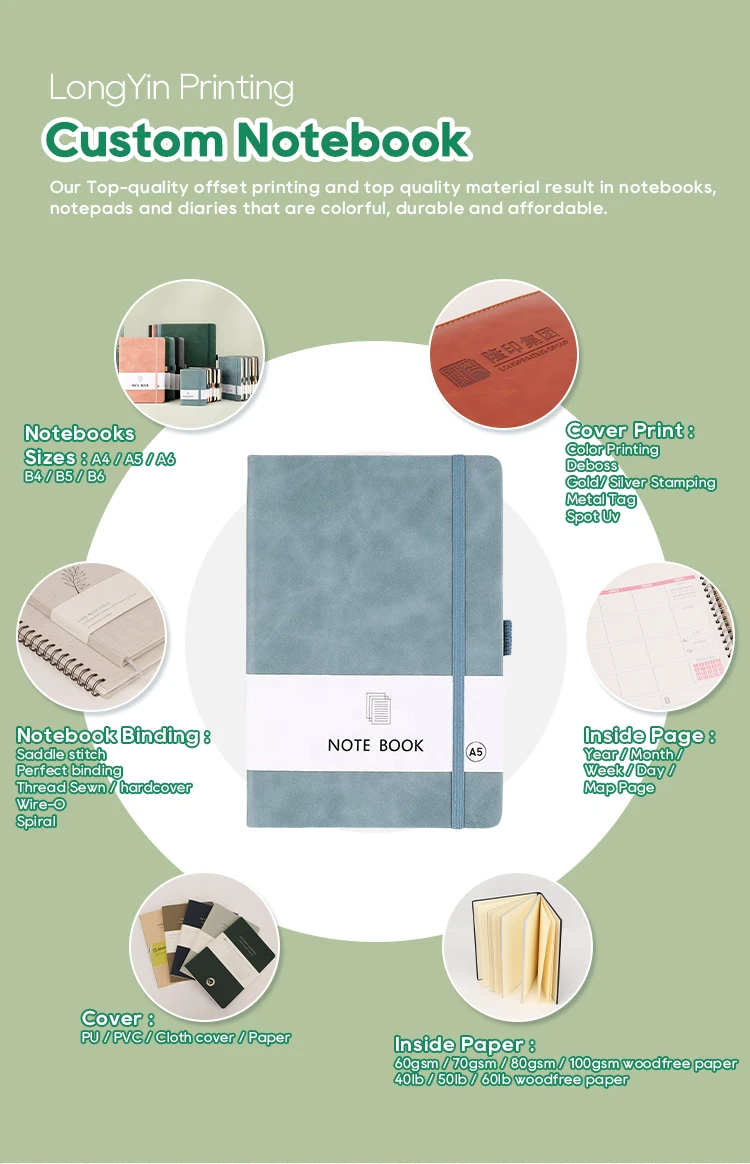
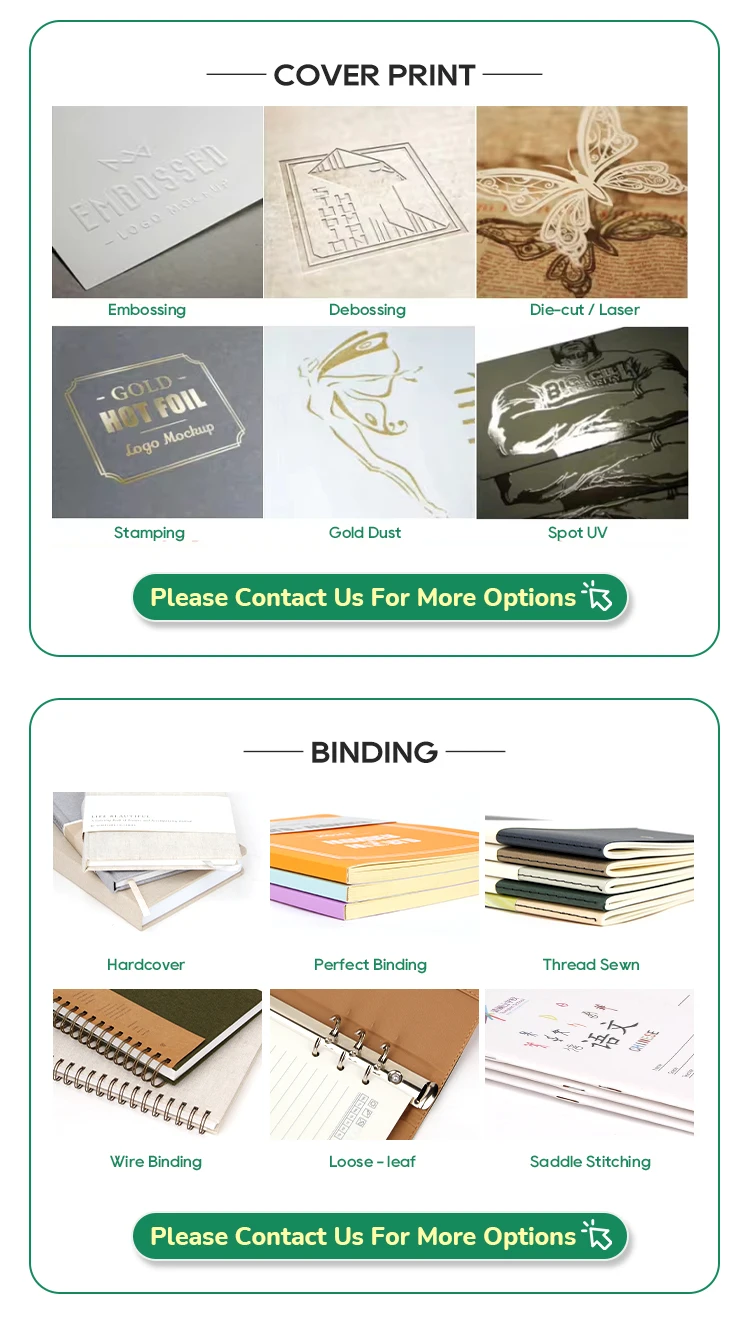
Thread sewing suits notebooks of about 64 pages and up, and it is the practical choice once the inner paper is heavy or the block is thick. Thinner books can be saddle stitched, and drilled blocks turn into spiral or wire-o books, so the binding follows the page count and the paper rather than the other way round.
Which Cover Structures Go With a Sewn Block?
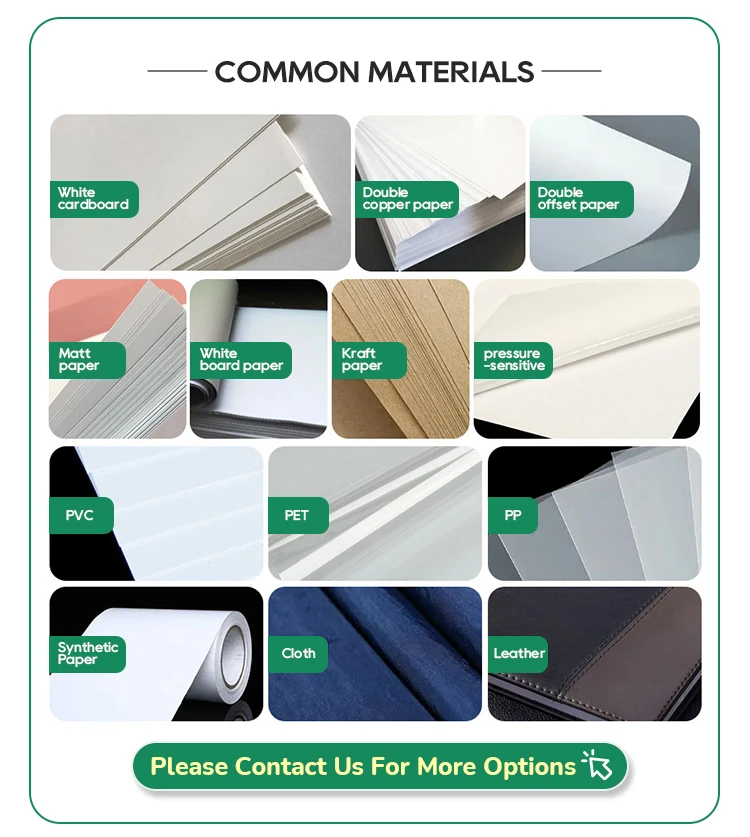
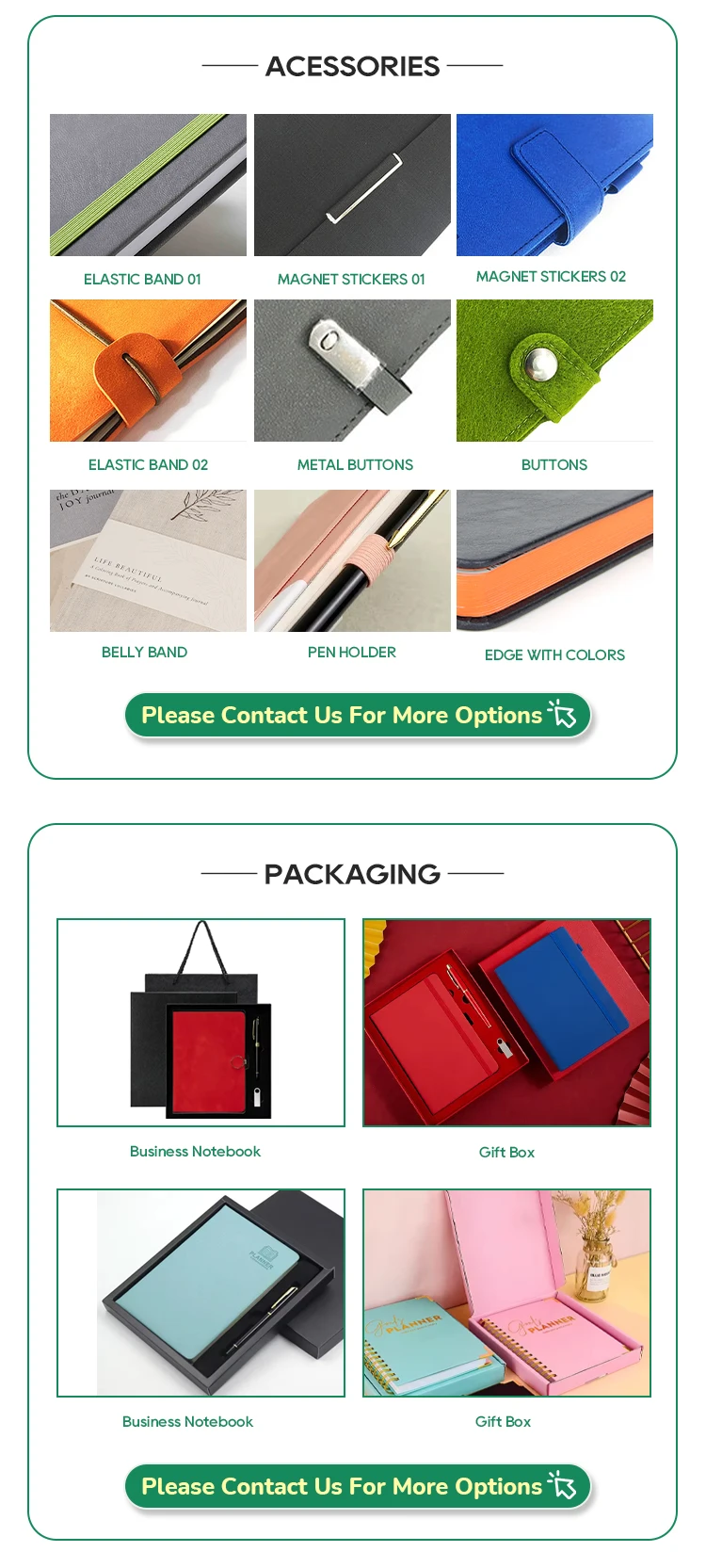
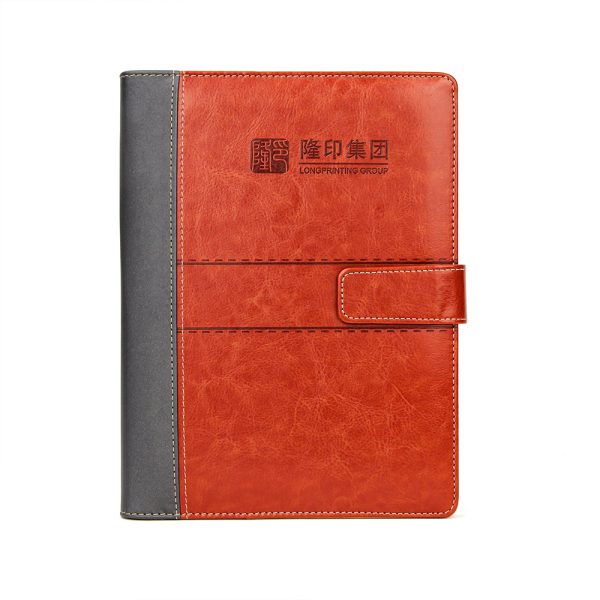
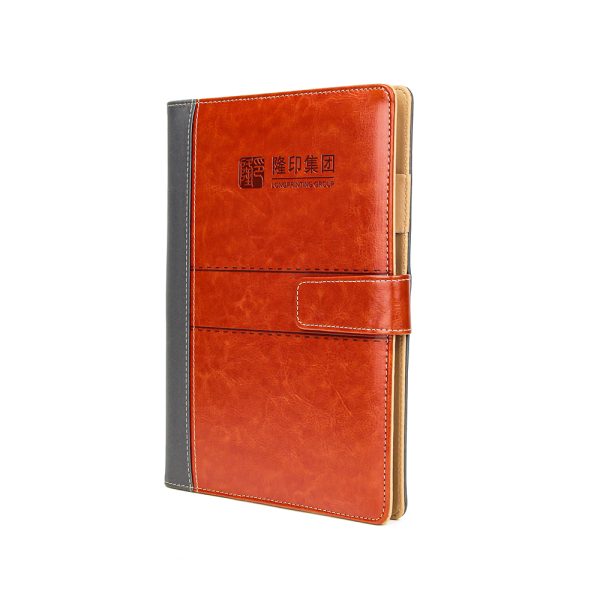
A sewn block can be wrapped in a laminated paper cover, or cased into a hard cover with a hollow back, headbands and a ribbon marker. An elastic band and a ribbon are fitted during casing, and a printed paper cover gives a lighter notebook at a lower cost. The structure is chosen with the page count, because a heavy block in a soft cover needs a stiffer wrap to hold its shape.
How Does Binding Choice Change the Page Layout?
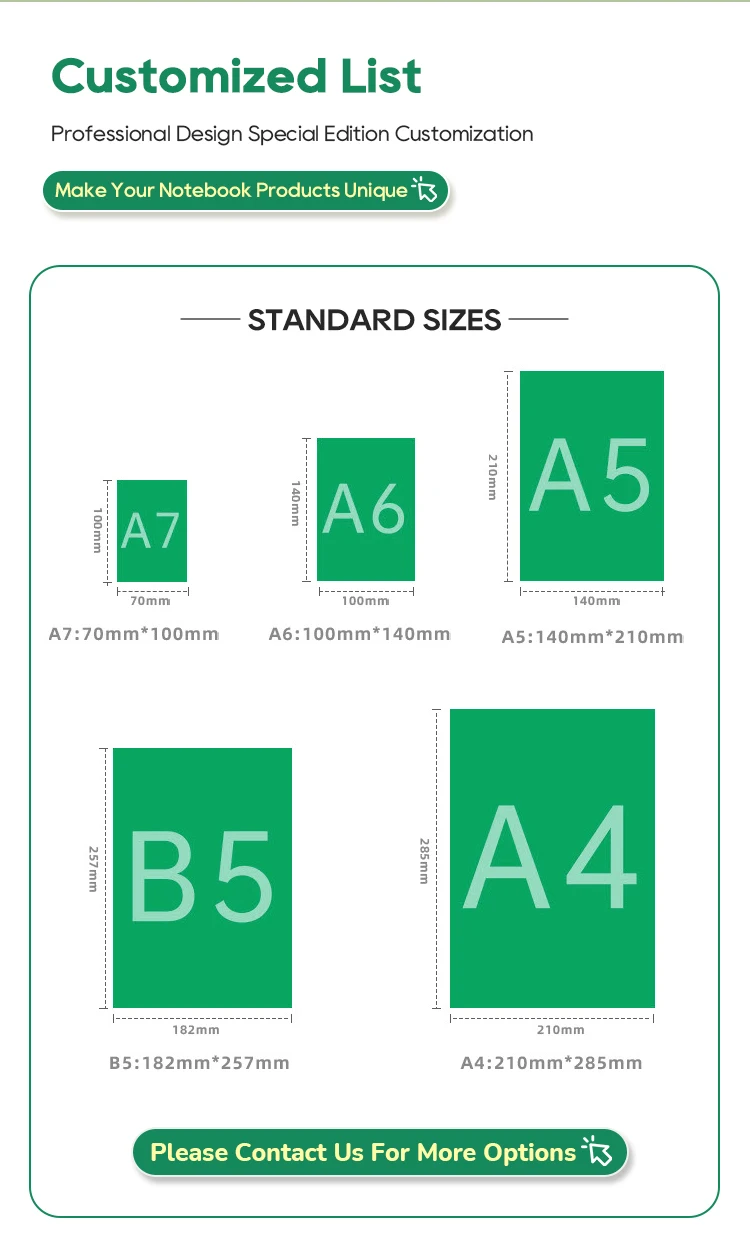
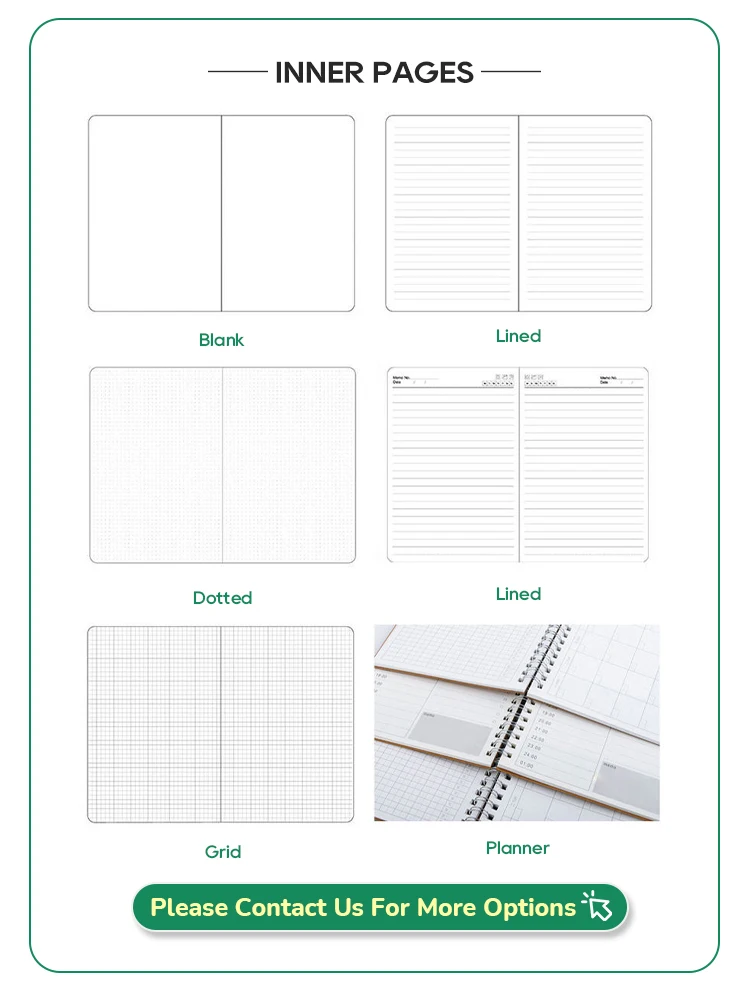
Page counts are planned in multiples of four, the ruling is imposed to the finished trim, and the inner margin has to allow for the hinge at the spine. Printed paper also decides how the sections are gathered: a heavier sheet is folded into smaller sections, because folding a heavy sheet into a large one cracks the fold. Adjusting any of these after the block is planned means the layout is opened again.
How Long Does a Sewn Notebook Take to Produce?
Production runs about 8-10 days for softcover notebooks and 10-15 days for hardcover notebooks, counted from file confirmation, with samples made in about 5-7 days. Air freight takes 5-7 days and suits launch dates, while sea freight takes about 1 month on common routes. Delivery can be staged without changing the production run.
What Should You Send for a Quote?
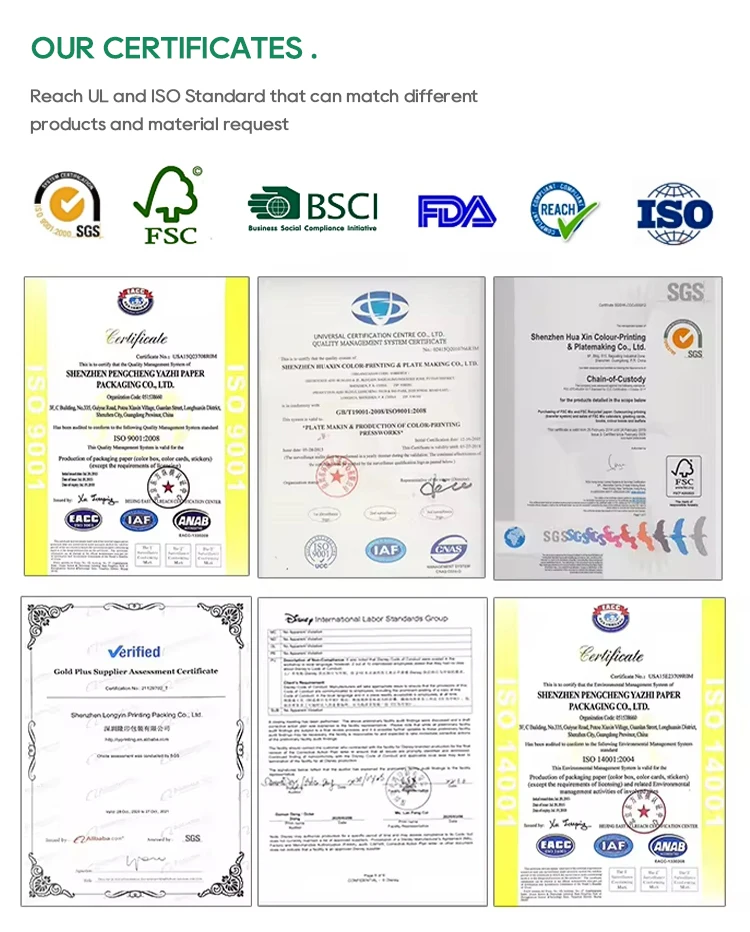
Send the format and page count, the inner paper, the binding and cover structure, the finishing, the number of units, the destination and the date you are working towards. Confirming the page count and the paper weight together is what fixes the block thickness, which is also what the cover, the spine and any packaging are built from. Quotes are issued within 24 hours, and the wider range is grouped in our notebook printing category.
Technical Specifications
See the full notebook printing category for related notebook and stationery formats.
Key Takeaways
- Pages are held by thread through folded sections, so a single leaf cannot detach from the block on its own.
- Sewn sections hinge at their folds, which is what lets the notebook open wide with writing flat near the spine.
- Heavy paper and thick blocks suit sewing, while a glued block depends entirely on one spine line.
- Page counts are planned in multiples of four, and heavier paper is gathered into smaller sections.
- The inner margin allows for the hinge, and the ruling is imposed to the finished trim.
- Production is about 8-10 days softcover and 10-15 days hardcover, with samples in about 5-7 days.
Frequently Asked Questions (FAQ)
Q: What is a thread sewn notebook?
A: Printed sheets folded into sections of 8, 16 or 32 leaves, threaded along the fold, then glued together as a block. The glue joins the sections and the thread holds the pages within each section.
Q: Why do sewn pages stay in better than glued pages?
A: Every leaf is threaded through its neighbours, so it cannot pull free on its own. A glued block depends on the spine adhesive along one edge, which is the first thing to fail on heavy paper or a thick block.
Q: Does a sewn notebook lie flat?
A: It opens wide, because the block hinges at the folds of its sections rather than at a glued edge, and a hollow back lets the pages sit close to level. Writing along the inner margin stays usable on both sides.
Q: Which page counts suit thread sewing?
A: About 64 pages and up, and it becomes the practical choice once the paper is heavy or the block is thick. Thinner books can be saddle stitched, and drilled blocks become spiral or wire-o books.
Q: How does the binding change the page layout?
A: Page counts are planned in multiples of four, ruling is imposed to the finished trim, and the inner margin allows for the hinge at the spine. Heavier paper is folded into smaller sections to keep the fold clean.
Q: How long does production and shipping take?
A: Production is about 8-10 days for softcover notebooks and 10-15 days for hardcover notebooks from file confirmation, with samples in about 5-7 days. Air freight takes 5-7 days, sea freight about 1 month on common routes.
Q: What if there is a quality issue?
A: Quality is checked at every stage of production. If a quality issue is confirmed, we reprint free of charge or refund, and after-sales is covered.
Send your specs and get a custom quote.